
[wpseo_breadcrumb]
Automated Material Handling: Revolutionizing Efficiency with AMHS, OEMs, and Smart Automation
Implement automated material handling systems. Then, optimize workflow efficiency using automated material handling solutions.
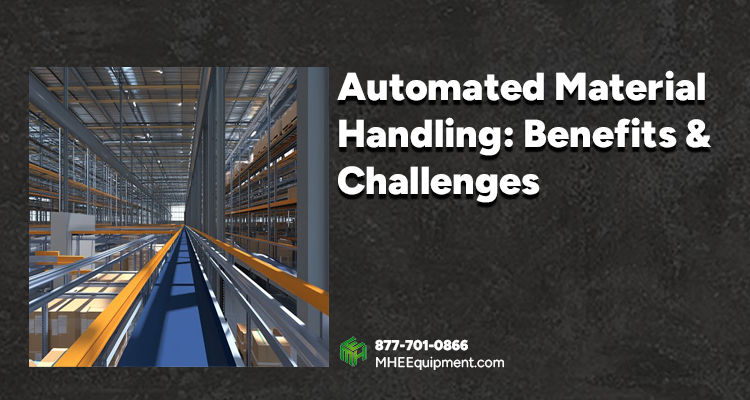
In today’s fast-paced industrial and e-commerce landscapes, businesses are under immense pressure to optimize workflows, reduce costs, and stay ahead of competitors. Enter automated material handling (AMH), a transformative approach that leverages robotics, automated guided vehicles (AGVs), and integrated control systems to redefine how industries manage the movement of goods.
This article explores how automated material handling systems (AMHS) are reshaping warehouse automation, supply chain operations, and material handling processes—delivering unmatched productivity, accuracy, and scalability.
What is an Automated Material Handling System (AMHS)?
An automated material handling system (AMHS) is a suite of automated equipment designed to transport materials seamlessly from one point to another within facilities like warehouses, manufacturing plants, and ports. These systems replace manual material handling with advanced technologies such as AGVs, conveyor systems, automated storage and retrieval systems (AS/RS), and sortation systems. By automating repetitive tasks, AMHS eliminates human error, accelerates throughput, and enhances operational efficiency.
Key components include:
- Automated Guided Vehicles (AGVs): Mobile robots that transport pallets, containers, or variety of products using pre-programmed routes.
- Conveyor Systems: Automated solutions that streamline the delivery of materials across production lines.
- AS/RS: Automated storage systems that store and retrieve items with precision, maximizing storage density and storage capacity.
- Robotic Arms: Used for loading and unloading, sorting, and precision material control.
Benefits of Automated Material Handling
Adopting material handling automation offers tangible benefits of automated material handling:
- Improve Efficiency: Automated systems reduce the time it takes to transport materials, slashing cycle times by up to 70%.
- Reduce Costs: Minimize labor expenses and risk of injuries linked to manual handling.
- Optimize Storage: AS/RS and crane systems boost storage density, allowing facilities to increase storage without expanding footprints.
- Enhance Accuracy: Tracking systems and routing algorithms ensure accuracy in sorting and delivery of products.
- Scalability: OEMs design scalable automated material handling solutions tailored to evolving needs.
For example, leading e-commerce giants use sortation systems and automated technology to process 10,000+ items hourly, ensuring seamless order fulfillment.
Key Applications: From Warehouses to Global Supply Chains
Automated material handling solutions are critical in diverse material handling applications:
- Warehouse Automation: AMHS integrates with warehouse management systems (WMS) to streamline receiving, storage, and shipping.
- Manufacturing: Automated equipment like AGVs and robotic arms transport raw materials within factories, synchronizing production lines.
- Ports: Automated systems manage container loading and unloading, reducing turnaround times by 50%.
- E-commerce: Sortation systems and retrieval systems accelerate order processing, meeting consumer demands for rapid delivery of products.
How OEMs Drive Innovation in Material Handling Automation
OEMs (Original Equipment Manufacturers) play a pivotal role in advancing material handling automation. They collaborate with end users to develop solutions designed for specific challenges, such as:
- Customized AGVs: Engineered for unique layouts or types of material.
- Integrated and Automated Control Systems: Centralized software for real-time material information monitoring.
- Future-Proof Systems: New systems with automation technologies like AI and IoT to stay ahead of industry trends.
By partnering with OEMs, businesses gain access to scalable, automated material handling solutions that improve efficiency and productivity and reduce downtime.
Optimizing the Material Handling Process with Automation
To optimize the material handling process, companies deploy automation to optimize workflows:
- Streamline Workflows: Conveyor belts and AGVs eliminate bottlenecks in transporting the material.
- Automated Retrieval: AS/RS and crane systems store materials intelligently, reducing retrieval times.
- Data-Driven Decisions: Tracking systems collect material information to refine routing and inventory management.
For instance, a pharmaceutical warehouse using automated material handling solutions reported a 40% boost in throughput and 99.9% order accuracy.
The Future of Industrial Automation: Staying Competitive
The automation industry is evolving rapidly, with trends like:
- Mobile Robots: AGVs with AI for dynamic routing.
- Sustainable Solutions: Energy-efficient automated equipment to cut carbon footprints.
- IoT Integration: Real-time material control via smart sensors.
Investing in automation technologies isn’t just about productivity—it’s a strategic move to enhance operational efficiency and dominate the modern supply chain.
Conclusion: Embrace Automation to Stay Ahead
Automated material handling is no longer optional for industries aiming to reduce costs, improve efficiency, and meet rising consumer expectations. From warehouse automation to supply chain optimization, AMHS empowers businesses to transport material faster, safer, and smarter. By leveraging automated material handling solutions from trusted OEMs, organizations can unlock seamless workflows, increase storage capabilities, and ultimately stay ahead in the competitive landscape.
Learn how automated material handling can transform your operations—explore automation investments today and future-proof your business.
FAQs
What is an automated material handling system?
An automated material handling system is a set of technologies that systems use to move materials and products efficiently. These systems to make workflows more efficient by reducing manual labor and allowing for faster operations.
How does a material handling system improve efficiency?
A material handling system enhances productivity by automating repetitive tasks, reducing errors, and improving efficiency in transporting material from one location to another. Advanced material handling equipment plays a key role in warehouse operations.
What industries benefit from material handling solutions?
Manufacturing, e-commerce, and logistics rely on material handling solutions to streamline operations. These systems use robotics and conveyors to move materials around, ensuring seamless workflow integration.
How do automated material handling solutions impact productivity?
By minimizing human intervention, automated material handling solutions improve efficiency and productivity. They need to provide consistent performance while handling high volumes of materials and products.
What types of material handling equipment are commonly used?
Common material handling equipment includes conveyors, robotic arms, and sorters. These tools systems to make operations smoother while playing a crucial role in warehouse management.
How can businesses streamline their material handling process?
To streamline operations, companies should implement automated material handling systems that optimize workflows. These systems use smart technology to move material from one point to another with precision.
Why is automation important in material handling?
Automation helps improve efficiency by reducing delays and errors. Advanced material handling equipment ensures the smooth movement of materials and products, allowing for faster order fulfillment.