
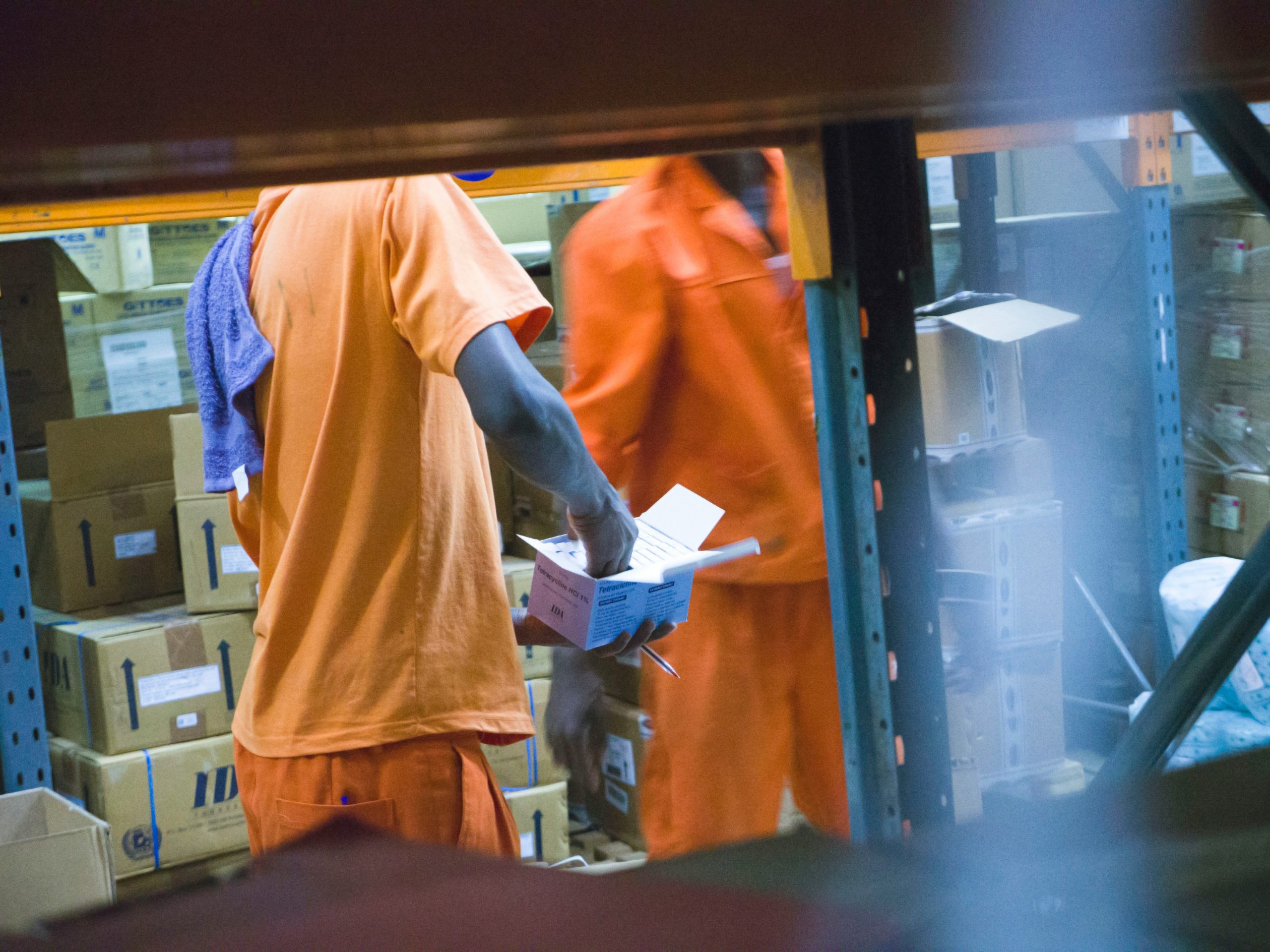
Alright, settle in, folks, because Uncle Hank is about to lay some wisdom on you. Fifty years, give or take a few coffee breaks, I’ve been breathing the dust and smelling the hydraulic fluid of material handling. From the clatter of a hand truck to the hum of a complex automated warehouse system, I’ve seen it all, fixed most of it, and learned an awful lot that isn’t in any textbook. And if there’s one thing I’ve seen make or break an operation, it’s not the fancy new gadget or the latest software. It’s the simple, steady, often overlooked discipline of the material handling inspection checklist.
Now, don’t let that word “checklist” fool ya. It might sound dry, even boring. But I’m telling you, it’s the difference between a smooth-running, profitable operation and a chaotic, accident-riddled money pit. It’s the secret sauce, the unsung hero, the quiet guardian of efficiency and safety. And today, I’m going to share some of my “secrets” – not really secrets, just common sense honed over decades of real-world experience – about how to build and implement a material handling inspection checklist that actually works.
Why Bother with a Checklist? More Than Just Covering Your… Bases
Look, I know what some of you are thinking. “Hank, I’m busy. My operators are busy. Another piece of paper? Another thing to check off?” And to that, I say, hold your horses, cowboy. This isn’t about bureaucracy; it’s about common sense.
The Cost of Neglect: Paying for What You Don’t Inspect
You see, material handling equipment, from the smallest pallet jack to the biggest forklift, is a workhorse. It takes a beating every single day. And just like any workhorse, if you don’t check its shoes, its harness, its overall health, it’s going to break down.
- Downtime is a Killer: Every minute a piece of equipment is down, you’re losing money. Orders aren’t moving, production stops, and suddenly you’re in a scramble. A simple pre-shift check can often spot a looming problem – a loose bolt, a frayed cable, a low fluid level – before it becomes a full-blown crisis.
- Safety Lasts a Lifetime, Accidents Last Longer: This is the big one. I’ve seen too many good people get hurt because a piece of equipment wasn’t properly maintained. A faulty brake, a damaged fork, a compromised hoist chain – these aren’t just repair bills, they’re potential life-altering injuries. Regulatory bodies like OSHA aren’t just making rules for fun; they’re trying to prevent tragedies.
- Extending Equipment Lifespan: Your equipment is an investment. Wouldn’t you want to protect that investment? Regular inspections catch wear and tear early, allowing for proactive maintenance rather than reactive, expensive repairs. A little preventative care goes a long way in making your equipment last not just years, but decades sometimes.
For those interested in enhancing their understanding of material handling processes, a related article that provides valuable insights is available at this link: Material Handling Equipment Insights. This article delves into various types of material handling equipment, their applications, and best practices for ensuring safety and efficiency in operations. It serves as a great companion to the Material Handling Inspection Checklist, helping professionals ensure that their equipment is not only compliant but also optimized for performance.
Crafting the Ultimate Checklist: My “Hank-Approved” Blueprint
Alright, enough with the sermon. Let’s get down to brass tacks. What should this magical checklist actually include? It’s not a one-size-fits-all, mind you. What you need for a forklift is different from a conveyor system. But there are underlying principles.
General Principles for All Equipment: The Foundation
Before we dive into specifics, remember these truths:
- Make it User-Friendly: If it’s too long, too complicated, or uses jargon no one understands, it won’t get used properly. Keep it clear, concise, and easy to follow. Use simple language.
- Frequency Matters: Daily checks are non-negotiable for most mobile equipment. Weekly, monthly, and even quarterly checks address deeper issues. Tailor the frequency to the equipment’s usage.
- Documentation is Key: This isn’t just a mental exercise. Checklists need to be signed, dated, and stored. This creates a historical record, helps identify recurring problems, and acts as proof of compliance.
- Training, Training, Training: An excellent checklist is useless if the people using it aren’t properly trained on what to look for and why it’s important. They need to understand what constitutes a passing check and, more importantly, what constitutes a failure that demands immediate attention.
Daily Pre-Shift Checklist for Powered Industrial Trucks (Forklifts, Pallet Jacks, etc.): Your Morning Ritual
This is your bread and butter. Every operator, before they even think about moving a load, should be doing this.
- Visual Inspection (Walk-around):
- Tires/Wheels: Are they properly inflated? Any cracks, cuts, or excessive wear? For solid or cushion tires, is there any chunking or flat spots? Loose lug nuts?
- Forks/Attachments: Any cracks, bends, or damage? Are the heel and tip wear within tolerance? Is the carriage securely attached? For attachments (like clamp attachments), are the hoses, cylinders, and pads in good condition?
- Mast: Look for any bent rails, loose chains, or damaged hydraulic hoses. Are the lift chains evenly tensioned and well-lubricated?
- Overhead Guard: No damage, no bent bars. It’s there to protect the operator, so it better be sturdy.
- Fluid Leaks: Any puddles under the equipment? Oil, hydraulic fluid, coolant, fuel. Sniff it out.
- Battery/Propane Tank: For electric, is the battery fully charged? Any damaged cables or connectors? For propane, is the tank properly secured? Any leaks around the fittings?
- Under the Hood (or Battery Cover):
- Engine Compartment (Internal Combustion): Check oil level, coolant level, hydraulic fluid level. Look for frayed belts or loose hoses.
- Battery Compartment (Electric): Check electrolyte levels (if applicable, for flooded batteries), cable condition, and cleanliness.
- Operator Compartment (Get In!):
- Seatbelt: Is it working? No cuts, buckles latching correctly? Always, always, always wear it.
- Controls: Test steering, lift, tilt, and any attachment controls. Do they respond smoothly and predictably?
- Brakes: Crucial! Test service brakes and parking brake. Do they hold? No excessive pedal travel?
- Horn/Lights: Are the headlights, tail lights, and warning lights (strobe/blue light) all working?
- Warning Devices: Test the horn. Make sure the backup alarm is functioning.
- Gauges/Indicators: Are they working? Are there any warning lights illuminated?
- Mirrors: Are they clean, secure, and properly adjusted?
Weekly/Monthly Inspections for Rack Systems & Shelving: The Silent Workhorse
People often forget about racking. It just sits there, right? Wrong! This is where you store your valuable inventory, and it can collapse with catastrophic results if neglected.
- Damage Assessment:
- Upright Frames: Look for bent, twisted, or severely dented uprights, especially at the base where forklifts often make contact. Even a small impact can compromise structural integrity.
- Beams: Are they level? Any deflection, twisting, or bowing? Look for sheared or bent beam connectors.
- Footplates and Anchors: Are all footplates still securely anchored to the floor? No loose or missing anchors? Is there any corrosion?
- Column Guards/Post Protectors: Are they in place and performing their job? Any damage indicating impacts that might have reached the upright?
- Aisles & Floor: Clear of debris? Any cracks or damage to the concrete that could affect stability or equipment operation?
- Load Spacing & Placement: Is the load evenly distributed? Is product overhanging the beams? Is the advertised load capacity being adhered to? I’ve seen too many people try to cram just one more pallet in.
- Safety Pins/Locking Devices: Are all beam safety pins or locking devices present and correctly seated to prevent accidental dislodgement?
When conducting a thorough Material Handling Inspection Checklist, it’s essential to stay informed about best practices and safety measures in the industry. A valuable resource that complements this topic is an article discussing the importance of regular equipment maintenance and safety protocols. You can read more about it in this insightful piece on equipment safety, which provides further guidance on ensuring your operations run smoothly and safely.
Conveyor Systems: The Rhythmic Backbone of Flow
These systems keep things moving, and a single snag can bring your whole operation to a standstill.
- Belts/Rollers/Chains:
- Condition: Look for cuts, tears, excessive wear, fraying, or tracking issues on belts. For roller conveyors, are all rollers spinning freely? For chain conveyors, are the chains properly lubricated and tensioned?
- Alignment: Are belts properly tracking? Are rollers centered? Misalignment causes premature wear and product damage.
- Drive Motors & Gearboxes: Any unusual noises (grinding, squealing)? Excessive heat? Leaks?
- Guarding: Are all guards in place and secure? This is a huge safety item. No exposed pinch points!
- Emergency Stops: Test all emergency stop buttons and pull cords. Do they immediately cut power to the system? Are they clearly marked?
- Sensors & Photo-eyes: Are they clean and unobstructed? Are they detecting products correctly?
- Frame & Supports: Look for any loose bolts, bent frames, or structural damage. Ensure the system is securely mounted.
Advanced Tips from an Old-Timer: Beyond the Basics
Okay, you’ve got the essentials. Now let’s talk about taking it to the next level. This is where the real experts differentiate themselves.
Embrace Technology: Ditch the Clipboard, Embrace the Tablet
I started with pencil and paper, and don’t get me wrong, there’s a certain charm to it. But today? Digital checklists are a game-changer.
- Efficiency: Faster completion, instant data capture.
- Photo/Video Evidence: Operators can snap a picture of a damaged fork or a leaking hose, providing undeniable proof and aiding in maintenance requests.
- Automated Scheduling: Set reminders for inspections, service intervals.
- Data Analytics: Track recurring issues, identify problem equipment, predict maintenance needs. Talk about saving money!
Integrate with Maintenance Management Systems (CMMS)
Don’t let your inspection data live in a vacuum. A direct link from your checklist software to your Computerized Maintenance Management System (CMMS) means:
- Immediate Work Order Generation: If an inspection identifies a critical fault, a work order can be automatically created and assigned. No more forgetting to call it in.
- Historical Data: Develop a comprehensive maintenance history for every piece of equipment, helping you make informed repair-or-replace decisions.
The “Open-Ended” Question: More Than Just Yes/No
While checkboxes are great for speed, encourage operators to add notes. Have a section for “Observations” or “Comments.”
- Qualitative Feedback: Sometimes a problem isn’t a hard “fail” but a “something’s not quite right.” That faint squeak, that slightly sluggish control – an experienced operator will notice these things, and their input is invaluable.
- Proactive Problem Solving: These observations can often be the early warning signs that prevent a major breakdown.
The “Buddy System” and Random Spot Checks
Don’t just rely on individual operators.
- Peer Review: Occasionally have operators review each other’s equipment after an inspection. A fresh pair of eyes can catch something easily missed.
- Supervisor Spot Checks: Supervisors should regularly conduct their own spot checks of equipment and review completed checklists. This reinforces the importance of the process and ensures compliance. It keeps everyone honest and diligent.
Please visit material handling equipment for all your warehouse equipment needs.
Final Thoughts: My Legacy to You
Look, I’m not going to be around forever, but the principles of good material handling will be. And the material handling inspection checklist? It’s not just a piece of paper; it’s a commitment. A commitment to safety, to efficiency, and to the longevity of your investment. It’s about creating a culture where everyone takes ownership of the equipment they operate.
So, please, take this wisdom, internalize it, and implement it. Don’t wait until something breaks, or worse, until someone gets hurt. Be proactive. Be smart. Be safe. And if you ever see an old fella kicking tires in a warehouse, that’ll probably be me, making sure things are running just right. Because after 50 years, it’s just in my blood. Now go on, get to inspecting!
FAQs
What is a material handling inspection checklist?
A material handling inspection checklist is a tool used to systematically assess the condition and safety of material handling equipment and processes. It helps identify potential hazards and ensure compliance with safety regulations.
Why is a material handling inspection checklist important?
A material handling inspection checklist is important because it helps prevent accidents, injuries, and damage to equipment. Regular inspections can also help identify maintenance needs and ensure that equipment is functioning properly.
What are some common items included in a material handling inspection checklist?
Common items included in a material handling inspection checklist may include checking for proper equipment operation, ensuring that safety guards are in place, inspecting for any signs of wear or damage, and verifying that employees are following proper safety procedures.
Who should conduct material handling inspections?
Material handling inspections should be conducted by trained and qualified personnel who are familiar with the specific equipment and safety regulations. This may include maintenance personnel, safety officers, or designated employees with the necessary expertise.
How often should material handling inspections be conducted?
The frequency of material handling inspections may vary depending on the type of equipment and the specific workplace conditions. However, inspections should be conducted regularly, with some equipment requiring daily, weekly, monthly, or annual inspections. It is important to follow manufacturer recommendations and regulatory requirements.