
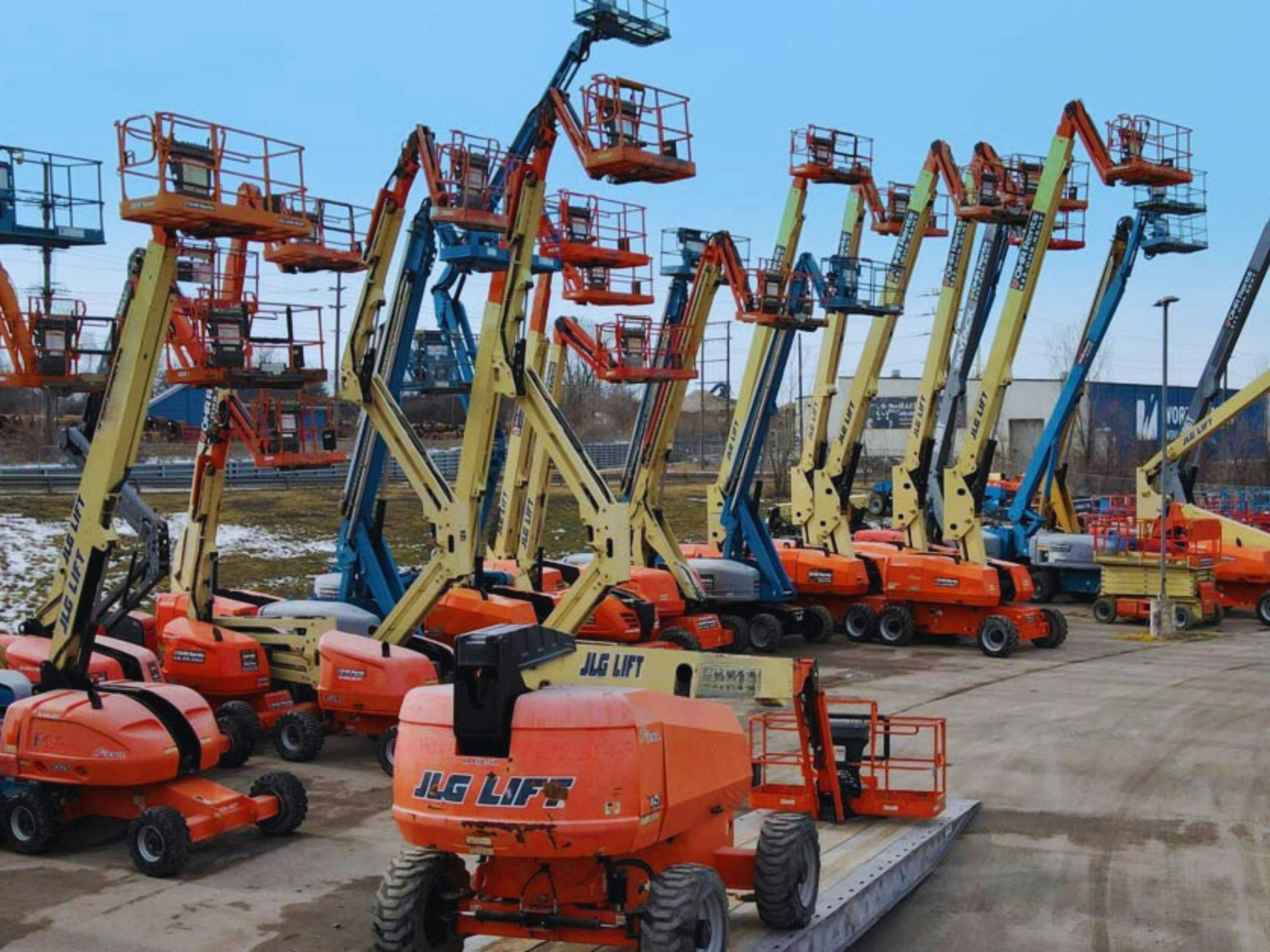
What is material handling equipment? Simply put, it’s any tool, machine, or system that helps move, store, protect, and control materials and products throughout the manufacturing, warehousing, distribution, consumption, and disposal processes.
Think of it as the unsung hero of logistics, making sure everything gets where it needs to be, safely and efficiently. It’s what keeps goods flowing, from raw materials to finished products on a store shelf.
Why Material Handling Matters (More Than You Think)
You might not think about it much, but efficient material handling is crucial for just about any business that deals with physical goods. It’s not just about lifting heavy stuff; it’s about optimizing space, reducing damage, improving safety, and ultimately, saving money. When done right, it can supercharge productivity and customer satisfaction. When done poorly, it can lead to bottlenecks, accidents, and a lot of wasted time and resources.
Investing in the right equipment and processes pays off in a big way. It’s not just an expense; it’s an investment in the smooth operation of your business.
Increased Efficiency and Productivity
This is probably the most obvious benefit. When materials can be moved quickly and smoothly, workflows improve dramatically.
Faster Throughput
With the right equipment, you can move more goods in less time. This means orders get processed quicker, production lines run smoother, and customers get their deliveries faster. Think about how a forklift can unload a truck in minutes compared to hours of manual labor.
Reduced Manual Labor
Less manual lifting, carrying, and pushing means your workers can focus on more skilled tasks. This not only boosts productivity but also makes their jobs less physically demanding. Automated systems, in particular, can free up a lot of human effort.
Improved Safety
This is a huge one. Accidents in warehouses and factories can be devastating, both for the individuals involved and for the business.
Fewer Injuries
Material handling equipment is designed to safely move heavy or awkward items, significantly reducing the risk of strains, sprains, and more serious injuries that can occur when people try to lift or carry too much. Features like ergonomic controls and safety sensors are standard on modern equipment.
Reduced Product Damage
When products are handled carefully and correctly by machinery, there’s less chance of them being dropped, crushed, or otherwise damaged. This saves you money on returns, rework, and wasted inventory. It also keeps your customers happier by ensuring they receive products in pristine condition.
Better Space Utilization
Warehouses and storage facilities are expensive. Getting the most out of your existing space is a major win.
Higher Stacking Capabilities
Equipment like reach trucks and turret trucks allow you to stack goods much higher than you ever could manually, maximizing your vertical storage space. This means you can store more inventory in the same footprint, or even reduce your overall warehouse size.
Optimized Layouts
Well-chosen equipment can operate effectively in narrower aisles or tighter spaces, allowing for more efficient warehouse layouts. This can free up valuable floor space that might otherwise be taken up by wide turning radii or access routes for less nimble machinery.
For those interested in enhancing their warehouse efficiency, a related article on mezzanine stairs and railing can provide valuable insights into optimizing vertical space with safety in mind. You can read more about this topic in the article titled “Mezzanine Stairs and Railing“. This resource discusses the importance of proper design and installation of stairs and railings in mezzanine systems, which is crucial for ensuring safe access to elevated storage areas.
Common Types of Material Handling Equipment
There’s a huge variety of equipment out there, each designed for specific tasks. Let’s break down some of the most common categories.
Industrial Trucks (Forklifts and Beyond)
When most people think of material handling, industrial trucks often come to mind. These are the workhorses of many operations.
Forklifts
These are ubiquitous for a reason. Forklifts come in various types (electric, internal combustion, counterbalance, reach, order pickers, etc.) and are designed to lift and transport palletized loads. They’re essential for loading/unloading trucks, moving goods around a warehouse, and storing items on racks.
Pallet Jacks
Simple yet effective, pallet jacks (manual or electric) are used for moving pallets over short distances within a facility. They’re great for tasks that don’t require lifting to significant heights, like moving pallets from a receiving dock to an inspection area.
Tow Tractors
Essentially, these are vehicles designed to pull non-powered carts or trailers with goods on them. They’re common in large facilities or for connecting different areas of a production plant. Think of them as a mini-train for materials.
Conveyors and Automated Systems
For continuous or high-volume movement of goods, automation often steps in.
Belt Conveyors
These are versatile for moving a variety of items, big or small, heavy or light, over long distances. They’re common in manufacturing, assembly lines, and package handling centers.
Roller Conveyors
Often used for items with flat bottoms (like boxes or pallets), roller conveyors can be gravity-fed or powered. They’re great for setting up temporary lines or for specific stages in a packing process.
Automated Guided Vehicles (AGVs)
AGVs are driverless vehicles that follow predetermined paths, often marked by wires or sensors on the floor. They can transport materials between workstations or storage areas, reducing the need for human operators in repetitive transport tasks.
Storage and Retrieval Equipment
Once materials are moved, they need to be stored efficiently and accessed easily.
Racking Systems
From standard pallet racking to more complex systems like selective racking, drive-in racking, or push-back racking, these structures are designed to store goods at multiple levels, maximizing vertical space. The right system depends heavily on what you’re storing and how often you need to access it.
Shelving
For smaller, individual items or less dense storage, shelving units provide an organized way to store goods. This ranges from simple bolt-together units to more robust industrial shelving.
Carousels and Vertical Lift Modules (VLMs)
These are more advanced storage solutions that bring the item to the operator, rather than the operator going to the item. Vertical carousels rotate trays of items, while VLMs automatically retrieve and present shelves containing the desired goods from an enclosed storage tower. They save floor space and reduce retrieval times significantly, especially for small parts.
Factors to Consider When Choosing Equipment
Picking the right material handling equipment isn’t a “one size fits all” situation. There are several key things you’ll want to think about.
Type of Material Being Handled
What are you actually moving? This is probably the most fundamental question.
Size, Weight, and Shape
Are your items small and light, like individual components, or large and heavy, like fully assembled engines? Are they uniformly shaped (easy to stack) or irregular (requiring specialized cradles or attachments)? This will dictate the lifting capacity and type of gripping mechanism required.
Fragility and Perishability
Do your items need gentle handling (e.g., electronic components, glass)? Do they have a limited shelf life (e.g., fresh produce, pharmaceuticals) requiring quick movement and specific storage conditions? This might influence the speed of handling and the environmental controls of your storage.
Operational Environment
Where will this equipment be used? The setting makes a huge difference.
Indoor vs. Outdoor Use
Will it operate in a temperature-controlled warehouse or out in a rugged yard? Indoor equipment often has different tire types (cushion for smooth floors) and power sources (electric for no emissions). Outdoor equipment typically needs pneumatic tires for rough terrain and often runs on internal combustion.
Space Constraints
How wide are your aisles? What’s your ceiling height? Do you have doorways or tight corners to navigate? This will determine the dimensions and maneuverability of your equipment. For example, a reach truck is much better suited for narrow aisles than a counterbalance forklift.
Dust, Temperature, and Humidity
Are you operating in a dusty environment, a freezer, or a high-humidity area? Special seals, motors, and stainless steel components might be necessary to ensure equipment longevity and compliance with regulations.
Workflow and Volume
How much are you moving and how often?
Throughput Requirements
How many items or pallets per hour do you need to process? High-volume operations might warrant automated systems or multiple pieces of equipment, while lower volumes might be fine with manual solutions.
Distance and Frequency of Movement
Are you moving items a few feet or across a large facility? Are these movements continuous or intermittent? Short, frequent movements might be ideal for pallet jacks, while long, continuous movements could benefit from conveyors or AGVs.
Integration with Existing Systems
Will the new equipment need to work seamlessly with your current warehousing software (WMS), production lines, or other existing machinery? Compatibility is key to avoiding bottlenecks.
The Role of Automation and Robotics
Modern material handling is increasingly leaning into technology to boost efficiency and overcome labor challenges.
Automated Storage and Retrieval Systems (AS/RS)
These sophisticated systems use cranes or robotic shuttles to automatically store and retrieve loads from high-density racking. They’re excellent for maximizing space and providing incredibly fast and accurate access to inventory, often with minimal human intervention.
Robotics for Picking and Packing
Robots are becoming more common for repetitive tasks like piece-picking in e-commerce fulfillment centers. They can work tirelessly and handle delicate or odd-shaped items with precision. Collaborative robots (cobots) can even work safely alongside humans in shared workspaces.
Warehouse Management Systems (WMS)
While not equipment itself, a robust WMS is essential for orchestrating automated material handling. It directs the movement of goods, manages inventory levels, and integrates all the different pieces of equipment into a cohesive, intelligent system. Good software is the brain behind efficient material flow.
For those interested in enhancing their understanding of material handling equipment, a related article can provide valuable insights into the latest trends and technologies in the industry.
Keeping Your Equipment Running Smoothly
| Equipment Type | Usage | Capacity |
|---|---|---|
| Forklift | Warehouse operations | Up to 50,000 lbs |
| Pallet Jack | Moving pallets | Up to 5,000 lbs |
| Conveyor Belt | Transporting goods | Varies |
| Hoist | Lifting heavy objects | Up to 20 tons |
Once you’ve invested in material handling equipment, taking care of it is essential for a good return on that investment.
Regular Maintenance and Inspections
Just like your car, material handling equipment needs routine check-ups.
Preventative Maintenance Schedules
Follow manufacturer recommendations for inspections, lubrication, and parts replacement. This catches small issues before they become expensive breakdowns and extends the lifespan of your machinery. This includes checking fluid levels, tire pressure, and brake functionality.
Safety Checks
Daily and weekly safety checks are crucial. Operators should inspect their equipment before each shift for any visible damage, ensure all safety guards are in place, and confirm that emergency stop buttons are functional.
Training and Certification
Proper operation is key to both efficiency and safety.
Operator Training
Anyone using material handling equipment must be properly trained and, where applicable, certified. This isn’t just about learning how to drive; it’s about understanding load capacities, safe operating procedures, and emergency protocols.
Refresher Courses
Even experienced operators benefit from occasional refresher courses to reinforce best practices and stay updated on any new regulations or equipment features. This helps prevent complacency and keeps safety top of mind.
By understanding the types of equipment available, the benefits they offer, and the factors that influence selection, businesses can make informed decisions that drastically improve their operational efficiency, safety, and bottom line. It’s an area worth paying attention to.
FAQs
What is material handling equipment?
Material handling equipment refers to tools, vehicles, and storage units used to move, protect, store, and control materials and products during manufacturing, distribution, consumption, and disposal.
What are the different types of material handling equipment?
There are various types of material handling equipment, including forklifts, conveyors, cranes, hoists, pallet jacks, and storage and handling systems such as racks and shelves.
What are the benefits of using material handling equipment?
Using material handling equipment can improve efficiency, reduce labor costs, minimize product damage, enhance workplace safety, and increase overall productivity in a variety of industries.
How do you choose the right material handling equipment for a specific application?
When choosing material handling equipment, it’s important to consider factors such as the type and size of materials being handled, the layout of the facility, the required throughput, and any specific handling requirements or regulations.
What are some common safety considerations when using material handling equipment?
Common safety considerations when using material handling equipment include proper training for operators, regular equipment maintenance, clear communication and signaling, and adherence to safety guidelines and regulations.