
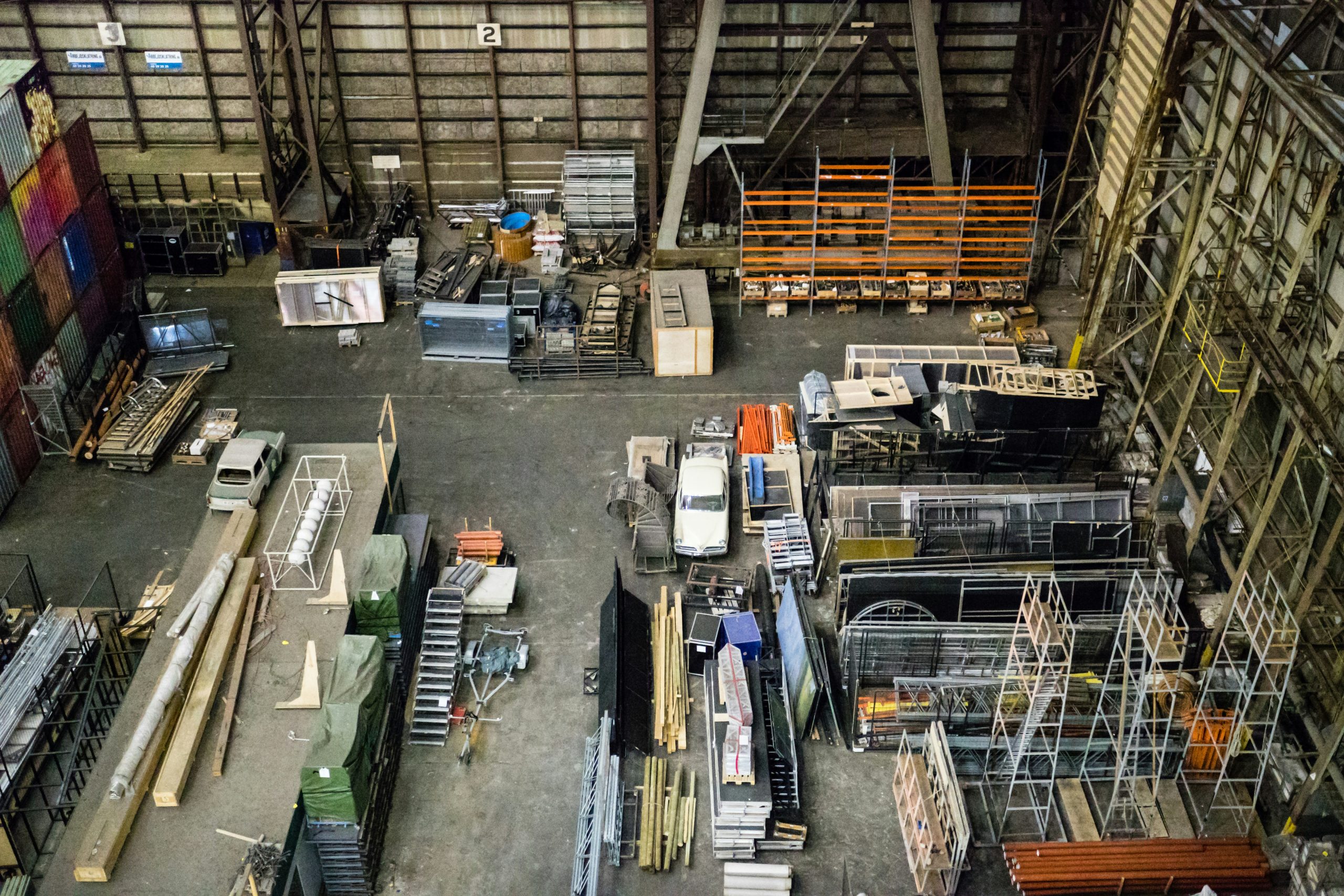
Alright, settle in, folks. You’ve come to the right place if you’re keen to peek behind the curtain of what’s going to make warehouses and distribution centers hum come 2026. After nearly half a century wrestling with forklifts, conveyor belts, and the sheer poetry of efficient movement, I’ve seen trends rise and fall like day and night. But the ones brewing now? They’re not just fads; they’re fundamental shifts that are going to reshape how goods flow. Think of me as your seasoned guide, here to illuminate the path, sharing a few hard-won insights you won’t find in your average brochure.
The Unstoppable March of Automation: Driven by Necessity, Fueled by Innovation
Let’s not tiptoe around this one: automation is no longer a niche luxury; it’s a bare-knuckle necessity for survival in the modern logistics landscape. The relentless pressure of e-commerce, the ever-present demand for faster delivery, and the persistent labor challenges have created a perfect storm. By 2026, you’ll see automation woven into the fabric of material handling operations to a degree that would have seemed like science fiction a decade ago.
Autonomous Mobile Robots (AMRs) Taking Center Stage
This is where the real action is. Forget the clunky, pre-programmed Automated Guided Vehicles (AGVs) of yesteryear. AMRs are the nimble, intelligent dancers of the warehouse floor. They’re equipped with sophisticated sensors, AI, and advanced mapping technology that allows them to navigate dynamically, adapt to changing environments, and collaborate with humans and other robots. We’re talking about robots that can pick items, transport pallets, and even undertake complex sorting tasks without the need for fixed infrastructure like magnetic strips or wires.
The Rise of the ‘Swarm’ System
One of the most exciting developments is the emergence of “swarm” systems. Imagine dozens, even hundreds, of smaller, specialized AMRs working in unison. One group might be autonomously picking individual items from shelving, while another fleet transports those items to a packing station, and yet another takes the finished packages to outbound staging. This distributed intelligence allows for incredible scalability and resilience. If one robot has an issue, the rest of the swarm can pick up the slack. It’s a beautiful dance of coordinated chaos, powered by algorithms that would make your head spin. By 2026, these systems won’t just be in pilot programs; they’ll be the workhorses in large DCs.
Human-Robot Collaboration: The ‘Cobots’ of the Warehouse
The fear of robots replacing humans entirely is largely overblown, at least in the short to medium term. The real power lies in augmentation. Collaborative robots, or “cobots,” are specifically designed to work alongside human operators, taking on the repetitive, strenuous, or dangerous tasks, freeing up people for more complex problem-solving, quality control, and oversight. Think of a cobot arm assisting a human picker with heavy items, or an AMR bringing a steady stream of goods to a human packer. This symbiotic relationship is key to maximizing throughput and employee satisfaction.
Automated Storage and Retrieval Systems (AS/RS) Evolving for Agility
AS/RS has been around for a while, of course, but the systems hitting the market now and by 2026 are a different breed. They’re moving beyond just brute-force storage to offer greater flexibility and speed.
High-Density Storage with Faster Access
We’re seeing advancements in shuttle-based systems and cranes that can access inventory at much higher speeds than ever before. These systems are being optimized for a wider variety of product SKUs, from fast-moving consumer goods to specialized industrial parts. The key is not just storing more, but retrieving it faster and more precisely when needed.
Maximizing Vertical Space and Minimizing Footprint
With land costs skyrocketing and the demand for more storage space, AS/RS is the clear answer to maximizing vertical real estate. By 2026, expect to see AS/RS solutions that are not only taller but also more adaptable to irregular building layouts. The drive is to get more storage density into less physical space, and these systems are leading the charge.
As we look ahead to the evolving landscape of material handling trends for 2026, it’s essential to stay informed about the latest innovations and best practices in the industry. A related article that provides valuable insights is titled “Choose the Right Material Handling Equipment,” which discusses the importance of selecting the appropriate tools to enhance efficiency and productivity in operations. You can read more about it by following this link: Choose the Right Material Handling Equipment. This resource will help you navigate the complexities of material handling and make informed decisions for your business.
The Data Revolution: From Gut Feeling to Predictive Powerhouse
If automation is the muscle of the future warehouse, then data is its brain. All these gleaming new machines are generating an incomprehensible amount of information. The real magic happens when we learn to harness that data effectively. By 2026, businesses that aren’t aggressively leveraging data analytics will be left in the dust.
Real-Time Visibility and Predictive Analytics
Gone are the days of waiting for end-of-day reports. By 2026, businesses will have real-time dashboards that provide granular insights into every aspect of their material handling operations. Where are the bottlenecks? Which machines are showing signs of wear? What’s the optimal staffing level for the next shift? Predictive analytics will answer these questions before they even become problems.
Machine Learning for Operational Optimization
Machine learning algorithms will continuously analyze operational data to identify patterns and optimize processes. This can range from predicting equipment failure to dynamically rerouting AMRs based on real-time traffic, or even forecasting inventory demand with unprecedented accuracy. It’s about moving from reactive problem-solving to proactive, intelligent decision-making.
The Interconnected Warehouse: IoT and the Digital Twin
The Internet of Things (IoT) is the invisible nervous system connecting all these disparate automated and semi-automated systems. Sensors embedded in every piece of equipment – from forklifts to conveyor belts to individual bins – will constantly feed data into the central intelligence hub.
Building Your Digital Twin
The concept of a “digital twin” – a virtual replica of your physical warehouse – will become increasingly commonplace. This allows for sophisticated simulations, testing of new workflows without disrupting operations, and more effective training of personnel. Imagine running a new high-speed picking strategy in your digital twin to see its impact before implementing it in the real world. It’s risk mitigation and innovation rolled into one.
Sustainability and Efficiency: A Greener, Leaner Future
The conversation around sustainability in material handling is no longer a feel-good add-on; it’s a critical business imperative. Consumers and regulators are demanding it, and frankly, it just makes good business sense to reduce waste and energy consumption.
Electrification of the Fleet
The days of the diesel-powered forklift are numbered. By 2026, expect to see a significant shift towards electric and hybrid-powered material handling equipment. Battery technology continues to improve, offering longer run times and faster charging capabilities, making electric options a truly viable and often superior alternative.
The Benefits of Going Electric
Beyond the obvious environmental advantages, electric forklifts offer quieter operation, reduced emissions within the facility, and lower operating costs due to cheaper energy and less maintenance. This isn’t just about “being green”; it’s about creating healthier, safer, and more cost-effective workplaces.
Optimizing Energy Consumption with Smart Technologies
It’s not just about the type of power source. Smart technologies will play a crucial role in minimizing energy usage across the board. This includes intelligent lighting systems that adjust based on occupancy and natural light, automated shut-off features for equipment when not in use, and optimized route planning for AMRs to minimize travel distances and energy expenditure.
Please visit material handling equipment for all your warehouse equipment needs.
Enhanced Ergonomics and Safety: Protecting Your Most Valuable Asset
The human element remains at the core of material handling, and by 2026, there will be an even greater focus on ensuring the safety and well-being of workers. The integration of technology aims to reduce physical strain and minimize the risk of accidents.
Powered Assist Devices for Lifting and Carrying
We’re going to see a proliferation of powered assist devices designed to take the load off human workers. These range from exoskeletons that provide additional strength for lifting to sophisticated robotic arms that can assist with repetitive picking and placing tasks. The goal is to reduce the incidence of musculoskeletal injuries, which are a major concern in the industry.
Intelligent Safety Systems and Wearables
Advanced sensor technology will be integrated into facilities and even wearable devices for operators. These systems can detect potential hazards, monitor worker fatigue, and even provide real-time alerts to prevent accidents. Think of systems that can detect if a worker is entering a dangerous zone or if a vehicle is too close to a pedestrian.
Improved Workspace Design and Training
Beyond the machinery, there’s a renewed emphasis on designing workplaces that are inherently safer and more ergonomic. This includes optimizing aisle widths, improving visibility, and implementing better signage and traffic management systems. Furthermore, immersive training technologies, like virtual reality (VR), will allow operators to practice complex maneuvers and safety protocols in a risk-free environment.
As we look ahead to the future of logistics, understanding the evolving landscape of material handling trends for 2026 is crucial for businesses aiming to stay competitive. A recent article discusses the anticipated advancements in automation and robotics that are set to reshape the industry. For more insights on how these trends will impact operational efficiency and safety, you can read the full article here. Staying informed about these developments will help companies adapt and thrive in an increasingly automated environment.
The Rise of Flexible and Modular Solutions: Adapting to a Dynamic World
One size no longer fits all, and the material handling industry is responding with a growing emphasis on flexibility and modularity. Businesses need solutions that can adapt to changing product mixes, fluctuating demand, and evolving operational needs.
Modular Conveyor Systems
Modular conveyor systems allow for quick reconfiguration and expansion. This means businesses can easily adapt their material flow to accommodate new product lines, changes in order volume, or even temporary promotional surges without major capital investments or downtime.
Scalable Robotics and Automation
The trend towards scalable robotics, as mentioned with AMRs, means businesses can start with a smaller deployment of automated solutions and gradually expand as their needs grow and their confidence in the technology increases. This lowers the barrier to entry for automation and makes it more accessible to a wider range of businesses.
Flexible Storage Solutions
Beyond fixed AS/RS, we’re seeing the rise of more adaptable storage solutions. This includes dynamic racking systems that can be easily reconfigured to accommodate different pallet sizes or product types, as well as mobile storage units that can be repositioned as needed to optimize space utilization and workflow.
There you have it, a glimpse into what’s coming down the pike for material handling in 2026. These aren’t just theoretical ideas; these are the tangible technologies and strategies that are already making waves and will define the industry in the years to come. The businesses that embrace these trends will be the ones that thrive, while those that cling to the old ways will find themselves struggling to keep pace. My advice? Get ahead of the curve. Invest in the future, and you’ll be rewarded with more efficient, safer, and ultimately, more profitable operations. Now, go forth and build a better warehouse!
FAQs
What are the key material handling trends for 2026?
The key material handling trends for 2026 include the adoption of automation and robotics, the integration of IoT and data analytics, the emphasis on sustainability and eco-friendly practices, the implementation of advanced warehouse management systems, and the focus on employee safety and ergonomics.
How is automation and robotics impacting material handling in 2026?
Automation and robotics are revolutionizing material handling in 2026 by streamlining processes, increasing efficiency, reducing labor costs, and improving accuracy. This trend is leading to the widespread adoption of automated guided vehicles (AGVs), robotic arms, and automated sorting and picking systems in warehouses and distribution centers.
What role does IoT and data analytics play in material handling for 2026?
IoT and data analytics are playing a crucial role in material handling for 2026 by providing real-time visibility into supply chain operations, enabling predictive maintenance of equipment, optimizing inventory management, and enhancing overall operational efficiency. This trend is driving the implementation of smart sensors, RFID technology, and advanced analytics platforms.
How is sustainability being integrated into material handling practices for 2026?
Sustainability is being integrated into material handling practices for 2026 through the use of eco-friendly packaging materials, energy-efficient equipment, renewable energy sources, and the implementation of green supply chain initiatives. This trend is driven by the growing emphasis on environmental responsibility and corporate sustainability goals.
What are the advancements in warehouse management systems for 2026?
Advancements in warehouse management systems for 2026 include the use of cloud-based platforms, AI-driven optimization algorithms, real-time inventory tracking, and seamless integration with other enterprise systems. This trend is aimed at improving inventory accuracy, order fulfillment speed, and overall operational visibility in warehouses and distribution centers.