
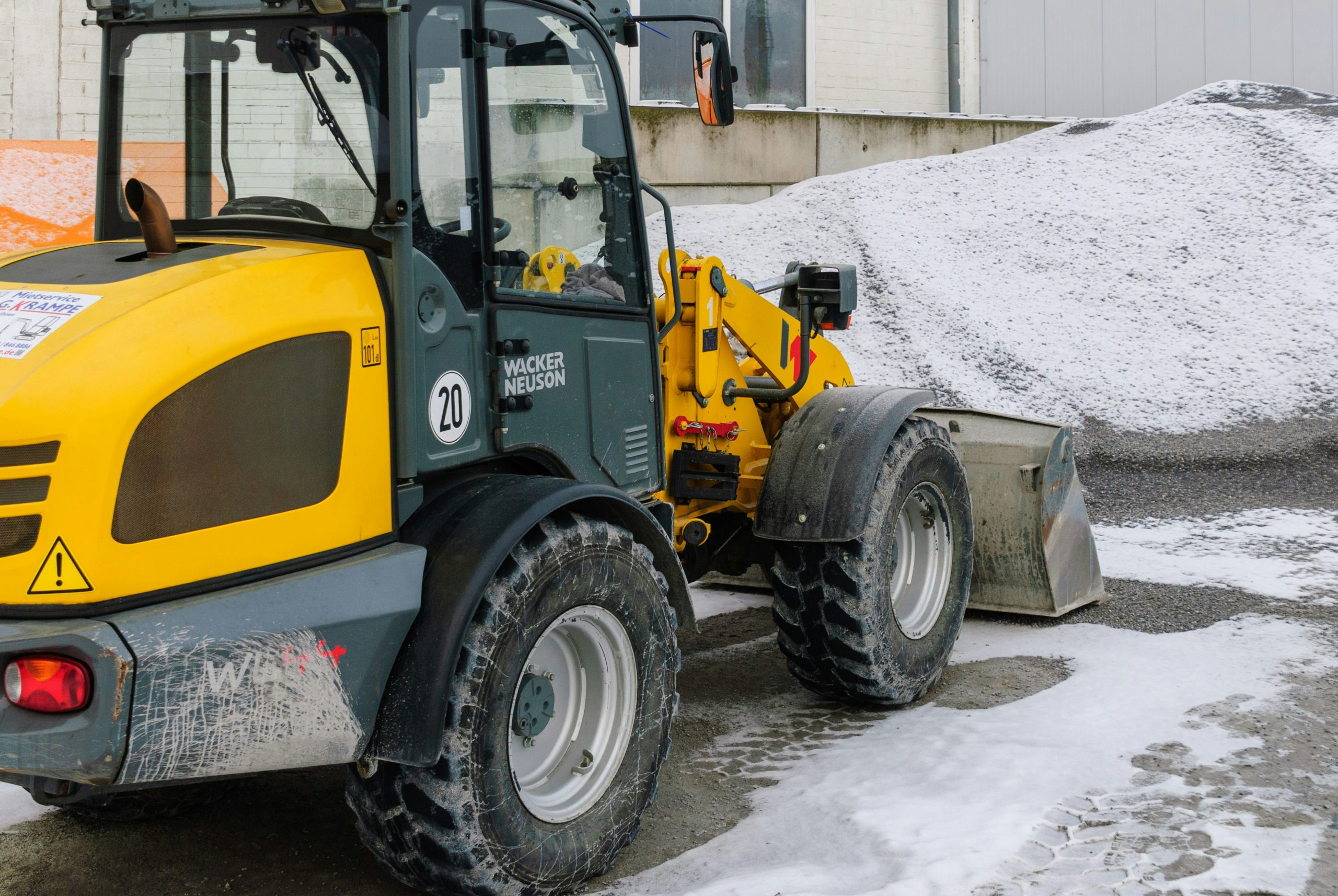
Alright now, pull up a chair, son or daughter. Let ol’ Mike tell you a thing or two about this business of material handling. Fifty years, eh? Well, let’s just say I started when forklifts had more character than cup holders, and conveyor belts sang a different tune. I’ve seen it all, from manual labor that would break a mule’s back to automated systems that run so smoothly you’d think they were magic. And you know what? Every single piece of equipment, from a simple hand truck to a complex AS/RS, tells a story. It’s a story of efficiency, safety, and making businesses hum.
Now, a lot of folks, they look at a warehouse and they just see boxes movin’. But I see the poetry in motion. I see the carefully selected dance of machines, each playing its role in the symphony of production and distribution. And that’s what we’re going to talk about today: the grand overview of mechanical handling equipment. It’s not just about lifting and moving; it’s about optimizing, about flow, and about making your life, and your bottom line, a whole lot better.
The Foundation: Why Mechanical Handling Matters So Much
Before we dive into the nuts and bolts, let’s just get one thing straight. Mechanical handling equipment ain’t just a fancy add-on. It’s the circulatory system of almost every industry you can think of. Without it, your goods wouldn’t get from point A to point B, factories would grind to a halt, and shelves would be empty. It enhances safety by reducing manual strain and risk of injury, it boosts productivity by moving more in less time, and it cuts costs by streamlining operations and reducing labor needs. It’s about working smarter, not harder. Always has been, always will be.
When most folks think about material handling, the first image that pops into their heads is probably a forklift. And they’re not wrong! Forklifts are the undisputed kings of the warehouse floor, but they’re just one player in a much larger team.
Forklifts: The Indispensable Jacks-of-All-Trades
Ah, the forklift. My old friend. I’ve sold more of these than I’ve had hot dinners, and each one has a specific job. You see ’em in every shape and size, and each one is engineered for a particular kind of dance.
Counterbalance Forklifts: The Go-To Guys
These are your bread and butter, the workhorses of any bustling warehouse. They’ve got a heavy counterweight in the back to balance the load in the front. Simple, robust, and incredibly versatile. You’ll see them zipping around, loading and unloading trucks, putting pallets on racks – they just get the job done. Electric ones for indoor, propane or diesel for outdoor and heavier lifting. Each has its place.
Reach Trucks and Narrow Aisle Forklifts: The Space Savers
Now, if you’re like me, you appreciate a well-organized space, and sometimes, space is at a premium. That’s where reach trucks come in. They’ve got forks that can extend beyond their front wheels, letting them reach into racks without needing to turn the entire truck. And then you’ve got your narrow aisle forklifts, VNA (Very Narrow Aisle) trucks, with their articulating masts or side-loading capabilities. They let you cram more racks into your warehouse, maximizing your storage density. These fellas are a game changer for maximizing square footage.
Pallet Jacks and Stackers: The Ground-Level Movers
Don’t underestimate the humble pallet jack. Manual or electric, it’s the simplest way to get a pallet from here to there. Great for short distances, dock operations, or just moving things around a smaller space. Electric pallet stackers take it a step further, allowing you to lift pallets to a certain height, but they’re not quite as nimble or as high-reaching as a full-blown forklift. They’re excellent for ground-level stacking and light-duty work where a full-sized forklift would be overkill or can’t fit.
Conveyor Systems: The Rhythmic Flow of Goods
If forklifts are the muscle, conveyors are the arteries and veins, ensuring a continuous, unbroken flow of materials. They’re the silent heroes, moving things along with effortless grace. When engineered correctly, a conveyor system is a thing of beauty.
Belt Conveyors: The Smooth Operators
These are your classic. A continuous belt running over rollers, excellent for carrying irregularly shaped items, bags, or things that might tip over on other conveyor types. They’re adaptable, quiet, and reliable. From package sorting in a distribution center to moving raw materials in a factory, belt conveyors are universally useful.
Roller Conveyors: For Pallets and Packages
Now, roller conveyors, you’ve got two main types: gravity and powered. Gravity rollers are just what they sound like – you use gravity to let things roll down, great for connecting two points with a slight decline. Powered roller conveyors, on the other hand, use motors to drive the rollers, giving you precise control over package movement. Accumulation conveyors, a type of powered roller, can even stop and start packages without them touching, reducing product damage – a neat trick, that.
Overhead Conveyors: Taking to the Skies
When floor space is precious, you look up. Overhead conveyors, like monorails or power and free systems, hoist items above the workspace. Think garment factories or automotive assembly lines. They free up floor space, reduce congestion, and can even act as a temporary storage buffer. It’s like having an elevated highway for your products.
For a comprehensive understanding of Mechanical Handling Equipment, you may find the article on the importance of proper equipment maintenance particularly insightful. This article discusses how regular maintenance can enhance the efficiency and longevity of handling equipment, ensuring optimal performance in various industrial applications. To read more about this topic, visit the following link: Mechanical Handling Equipment Overview.
The Silent Architects: Storage and Retrieval
It’s not enough to move things; you’ve got to put them somewhere efficiently. And retrieving them just as efficiently is half the battle.
Racking Systems: The Vertical Cityscapes
Anyone can stack boxes on the floor, but that ain’t smart. Racking systems are how you transform a flat warehouse into a multi-story storage marvel.
Selective Pallet Racking: The Most Common
This is the standard, the old faithful. It allows direct access to every pallet stored. Easy to operate, highly versatile, and relatively inexpensive to install. Great for facilities with many different SKUs (Stock Keeping Units).
Drive-In/Drive-Through Racking: High Density for Homogeneous Goods
If you’ve got a lot of the same product, a homogenous inventory, then drive-in or drive-through racks are your friend. Forklifts literally drive into the rack structure to load or unload pallets. It’s incredibly dense storage, maximizing space, but you get less selectivity. FILO (First-In, Last-Out) and FIFO (First-In, First-Out) configurations cater to your inventory rotation needs.
Push-Back and Pallet Flow Racking: Dynamic High Density
These are clever. Push-back racks allow pallets to slide back on nested carts, loading on the same side and giving you up to 90% more storage than selective racking. Pallet flow racks use gravity to move pallets from the loading aisle to the picking aisle – true FIFO. Both are great for high-volume, uniform products where space is tight.
Automated Storage and Retrieval Systems (AS/RS): The Future is Now
Ah, AS/RS. This is where things get really exciting. We’re talking about machines storing and retrieving products with little to no human intervention. It’s a marvel of automation and precision.
Unit-Load AS/RS: For Full Pallets
These systems are designed to handle entire pallet loads. Big cranes running on rails, placing and retrieving pallets from high-bay racking. Immensely efficient, reduces labor costs, and incredible density. Think massive distribution centers or cold storage facilities where you don’t want people wandering around in sub-zero temperatures.
Mini-Load AS/RS: For Totes and Cartons
Similar concept to unit-load, but for smaller items stored in totes or cartons. Perfect for e-commerce fulfillment centers or parts warehouses where you’re dealing with individual items or smaller quantities. They bring the product to the picker, eliminating extensive walking aisles.
Specialty Equipment: Doing the Unique Jobs
Not everything fits neatly into a category. Sometimes, you need a specialized tool for a specialized job.
Cranes and Hoists: Lifting the Heaviest Loads
When forklifts just aren’t big enough, you bring in the cranes. Overhead bridge cranes, gantry cranes, jib cranes – they’re all about heavy lifting and controlled movement. Think manufacturing plants, steel mills, or places where very large components need to be assembled. They’re powerful, precise, and essential for certain industries.
Industrial Robots: The Precise Automators
Robots have come a long way since I started. Today, they’re not just repeating simple tasks; they’re getting smarter. Palletizing robots, sortation robots, mobile collaborative robots (co-bots) working alongside humans. They offer incredible precision, speed, and tireless operation, reducing repetitive strain injuries and errors. They’re really becoming an integral part of modern material handling.
Please visit our website for a wide range of material handling equipment.
The Unsung Heroes: Ancillary Equipment
You can have all the fancy forklifts and conveyors in the world, but without the right support, your operation crumbles. These are the details that make the engine run smoothly.
Dock Levelers and Edge-of-Dock Levelers: Bridging the Gap
When a truck backs up to your dock, there’s rarely a perfect match in height. That’s where dock levelers come in, creating a seamless bridge between the truck bed and your warehouse floor. Without them, you’ve got a serious safety hazard and monumental inefficiencies.
Stretch Wrappers and Palletizers: Securing and Organizing
Once you’ve got your product on a pallet, you need to secure it for transport. That’s the job of the stretch wrapper, tying everything down tight. And if you’re putting a lot of products on pallets, automated palletizers can stack boxes in perfect, interlocking patterns, maximizing stability and density.
Automated Guided Vehicles (AGVs) & Autonomous Mobile Robots (AMRs): The Driverless Future
These are like the next evolution of a traditional forklift or tugger, but without a human operator. AGVs follow pre-defined paths, great for repetitive routes. AMRs are even smarter, navigating dynamic environments and obstacles on their own. They’re revolutionizing how materials are transported within facilities, especially for tasks like delivering components to assembly lines or moving finished goods to shipping. Safer, more predictable, and they don’t take coffee breaks!
In exploring the various aspects of mechanical handling equipment, one can gain valuable insights from related topics such as safety features and structural design. For instance, the article on mezzanine stairs and railing provides essential information on how to ensure safe access and egress in environments where mechanical handling equipment is utilized. Understanding these elements can significantly enhance workplace safety and efficiency. You can read more about it in this informative piece on mezzanine stairs and railing.
Putting It All Together: The Grand Design
Now, I’ve rattled on about all these different pieces of equipment, and you might be thinking, “Mike, that’s a lot to take in!” And you’re right. But the real magic happens when you understand how these components don’t just exist in isolation, but how they interact.
A true material handling expert doesn’t just sell you a forklift; they help you design a system. They look at your flow, your volume, your SKUs, your building layout, your budget – everything. They envision a symphony of machinery, working in harmony to achieve your specific goals. It’s about optimizing every touchpoint, minimizing wasted motion, and maximizing throughput.
For fifty years, I’ve seen businesses transform, sometimes dramatically, simply by rethinking how they handle their goods. It’s not just about buying the newest, shiniest machine. It’s about choosing the right machine for the right job, and then integrating it seamlessly into your operation.
So, whether you’re just starting out in warehousing or looking to optimize an existing facility, remember this: every piece of mechanical handling equipment has a purpose, a story, and a role to play. Understand those roles, and you’ll be well on your way to mastering the art and science of material handling. And trust me, it’s a fascinating journey.
FAQs
What is mechanical handling equipment?
Mechanical handling equipment refers to a wide range of machines and devices used to move, store, protect, and control materials and products during manufacturing, distribution, and warehousing processes.
What are the different types of mechanical handling equipment?
There are various types of mechanical handling equipment, including conveyors, cranes, forklifts, hoists, pallet trucks, and automated guided vehicles (AGVs). Each type serves a specific purpose in material handling operations.
What are the benefits of using mechanical handling equipment?
The use of mechanical handling equipment can improve efficiency, productivity, and safety in material handling operations. It can also reduce manual labor, minimize product damage, and optimize space utilization in warehouses and manufacturing facilities.
What industries use mechanical handling equipment?
Mechanical handling equipment is used in a wide range of industries, including manufacturing, logistics, construction, automotive, aerospace, food and beverage, pharmaceuticals, and retail.
What factors should be considered when selecting mechanical handling equipment?
When selecting mechanical handling equipment, factors such as the type and size of materials to be handled, the layout of the facility, the required throughput, and safety regulations should be taken into consideration. Additionally, the cost, maintenance requirements, and compatibility with existing systems should also be evaluated.