
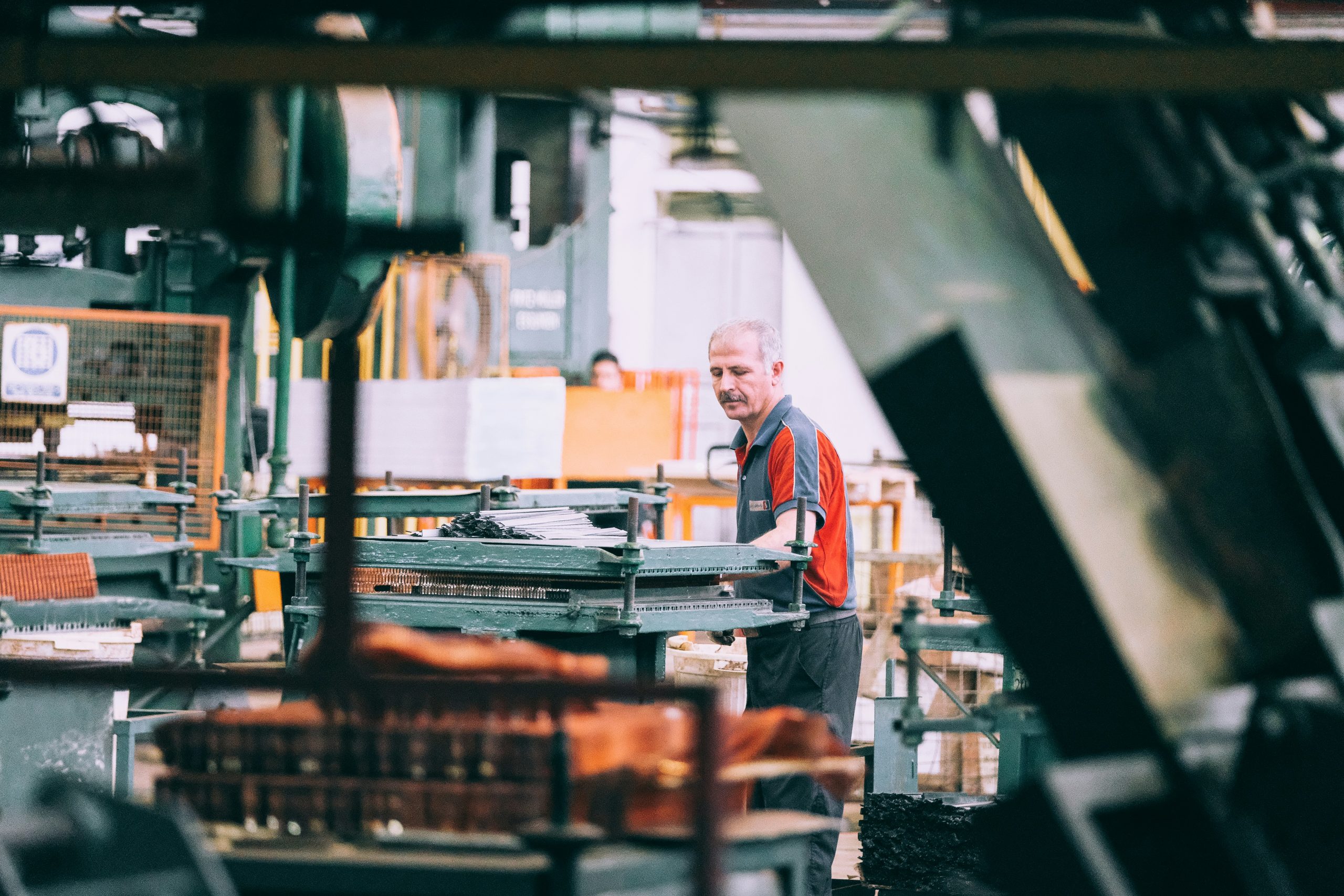
Alright, buckle up, youngsters! Your old pal, fifty years in the trenches, is here to set you straight on something near and dear to my heart: material handling. Now, I’ve seen it all, from the days when a strong back and a good pallet jack were cutting-edge, to today’s world of AI and robotics. And let me tell you, if you think material handling is just about moving boxes from A to B, you’re missing the forest for the trees. It’s the beating heart of modern logistics, the unsung hero that keeps our entire global economy humming. It’s not just what you move, but how you move it, when you move it, and why you move it that makes all the difference. And I’m going to pull back the curtain and show you some of those secrets today.
You see, for decades, material handling was pretty straightforward. You had your forklifts – reach trucks, counterbalance, order pickers – and your conveyor systems, mostly for moving products through a process. And don’t get me wrong, those are still foundational. But the landscape has changed dramatically. The consumer, God bless ’em, wants everything yesterday, perfectly packaged, and at the cheapest price. This isn’t just about faster trucks or bigger planes; it’s about making sure the right product is picked, packed, and loaded onto that truck or plane with lightning speed and surgical precision.
From Manual Labor to Mechanized Marvels
In my early days, a warehouse supervisor’s primary concern was optimizing the paths of their forklift drivers and making sure Johnny didn’t drop the whole pallet of canned goods again. Now, we’re talking about sophisticated software orchestrating entire fleets of autonomous mobile robots (AMRs) and automated guided vehicles (AGVs). It’s not just about pushing a lever anymore; it’s about understanding the algorithms that drive efficiency.
The Rise of Automation: More Than Just Robots
When folks hear “automation,” they often picture glossy robots zipping around. And while that’s a big part of it, automation in material handling runs much deeper. It’s about integrating systems, from the moment a product enters the receiving dock to the moment it’s shipped out. It’s about data, my friends – real-time, actionable data that tells you where every single item is, how many you have, and when you’ll need more.
In the realm of modern logistics, effective material handling is crucial for optimizing supply chain efficiency and reducing operational costs. A related article that delves into best practices for material handling can be found at Material Handling Best Practices. This resource provides valuable insights into strategies that can enhance productivity and safety in warehouses and distribution centers, making it a must-read for professionals in the logistics industry.
The Hidden Power of Data: Making Every Move Count
This, to me, is where the real magic happens in modern material handling. Forget your gut feelings or those dusty old spreadsheets. Today, if you’re not using data to drive your material handling decisions, you’re leaving money, efficiency, and customer satisfaction on the table. It’s like trying to navigate a dense fog without a compass – you’ll eventually get somewhere, but it won’t be the most direct or efficient route.
Warehouse Management Systems (WMS): Your Operations’ Brain
A good WMS isn’t just inventory tracking; it’s the central nervous system of your warehouse. It optimizes storage locations, plans pick paths, directs equipment, and even manages labor. I’ve seen companies go from chaotic, inefficient operations to seamlessly flowing processes overnight, simply by implementing and properly configuring a robust WMS. It’s about taking the guesswork out of the equation.
Predictive Analytics: Foreseeing the Future
This is where it gets really interesting. We’re not just looking at what happened yesterday or what’s happening now. With predictive analytics, we can anticipate demand, identify potential bottlenecks before they occur, and even forecast equipment maintenance needs. Imagine knowing a week in advance that you’re going to have a surge in orders for a particular product, and your WMS, combined with predictive analytics, has already optimized its storage location and scheduled the necessary labor and equipment to handle it. That’s not science fiction; that’s smart material handling.
The Human Element: Still the Ultimate Driver
Now, you might think with all this talk of robots and AI, that the human tough guy like me is becoming obsolete. And you’d be wrong! While the nature of the work has changed, the human element remains absolutely critical. We’re not replacing people; we’re empowering them. We’re taking away the grunt work and letting them focus on more strategic tasks, problem-solving, and managing these sophisticated systems.
Training and Upskilling: Equipping the Modern Workforce
The days of just hiring someone to drive a forklift are, to a large extent, over. Today’s material handling professional needs to be tech-savvy, adaptable, and a critical thinker. They need to understand how to interact with robots, interpret data from sensors, and troubleshoot complex automated systems. Investing in training and upskilling your workforce isn’t an expense; it’s an investment in your future.
Safety First, Always: A Moral and Economic Imperative
With all this new equipment and technology, safety becomes even more paramount. Autonomous vehicles navigating alongside human workers, complex conveyor systems, and high-density storage solutions – it all demands meticulous attention to safety protocols. A safe operation isn’t just about avoiding injuries; it’s about efficiency, morale, and preventing costly downtime. I always say, “A minute spent on safety saves an hour on repairs, and a lifetime of regret.”
Please visit material handling equipment for all your warehouse equipment needs.
Designing for Tomorrow: The Art of Space Optimization
Believe me, I’ve walked into warehouses that look like a tornado just went through them, and others where every square foot is utilized with surgical precision. Space is money, especially in prime industrial areas. Modern material handling isn’t just about moving goods; it’s about making sure your facility itself is designed to maximize throughput and minimize waste.
High-Density Storage Solutions: More Product, Less Footprint
Remember when warehouses were mostly single-level, wide aisles? Glorious for driving a forklift, not so great for space utilization. Now, we’re talking about very narrow aisle (VNA) systems, automated storage and retrieval systems (AS/RS) that reach incredible heights, and shuttle systems that maximize cube utilization. It’s like turning a sprawling ranch house into a sleek skyscraper – same footprint, but a whole lot more capacity.
Workflow Engineering: The Dance of Efficiency
It’s not just about what equipment you have; it’s about how you arrange it and orchestrate the flow of goods. Think of it like a perfectly choreographed dance. From receiving to putaway, picking to packing, and finally shipping, every movement should be intentional, optimized, and seamless. This is where decades of experience really shine through – understanding the subtle nuances of product flow and identifying bottlenecks before they become major problems.
In the ever-evolving landscape of modern logistics, the importance of selecting the appropriate equipment for material handling cannot be overstated. A comprehensive understanding of the various options available can significantly enhance operational efficiency and safety. For those looking to delve deeper into this topic, a related article discusses how to choose the right material handling equipment, providing valuable insights and guidance. You can read more about it in this informative piece here.
Sustainability: The Green Side of Material Handling
Back in my day, “sustainability” meant not spilling too much oil on the warehouse floor. Now, it’s a critical pillar of any forward-thinking logistics operation. Consumers demand it, regulations require it, and quite frankly, it’s just good business. Material handling equipment and processes play a pivotal role in achieving these environmental goals.
Energy Efficiency: Powering Down for a Greener Tomorrow
From electric forklifts and automated systems that consume less energy to optimizing routes to reduce travel time and thus fuel consumption, there are countless ways to make your material handling operations more energy-efficient. Even simple things, like LED lighting with motion sensors, can make a significant difference over time. Every kilowatt-hour saved is a win for both your wallet and the planet.
Waste Reduction and Recycling: Closing the Loop
Packaging waste is a big one. Innovative material handling solutions can help reduce packaging materials, optimize pallet configurations to fit more product on a truck, and even facilitate the recycling and reuse of internal packaging. It’s about looking at the entire lifecycle of a product and finding opportunities to minimize its environmental footprint.
The Future is Now: Embracing Innovation with Eyes Wide Open
So, where are we headed? Faster, smarter, more integrated. We’re on the cusp of an incredible new era in material handling. We’ll see even more sophisticated AI driving decision-making, robots collaborating seamlessly with humans, and logistics operations becoming even more transparent and resilient.
AI and Machine Learning: The Brains Behind the Brawn
Imagine systems that continuously learn and adapt based on real-time conditions, automatically re-optimizing routes, re-prioritizing tasks, and even predicting unexpected equipment failures. This isn’t just theoretical; it’s happening right now, and it’s only going to become more prevalent and powerful.
The Rise of the Collaborative Robot (Cobot): Working Hand-in-Hand
Cobots are designed to work safely alongside humans, performing repetitive or ergonomically challenging tasks. It’s not about replacing humans, but augmenting their capabilities, making them stronger, faster, and more efficient. This partnership between human intelligence and robotic precision is truly a sight to behold.
Blockchain and IoT: The Ultimate Transparency
Connecting every piece of equipment and every product to a distributed ledger – that’s the promise of IoT and blockchain in material handling. Imagine real-time, immutable tracking of every item, ensuring authenticity, origin, and condition throughout the entire supply chain. It will build trust, reduce fraud, and provide unprecedented levels of transparency.
So there you have it, folks. Material handling is far from a dusty, forgotten corner of logistics. It’s a dynamic, ever-evolving field, brimming with innovation and opportunity. If you’re smart about it, if you embrace the technology, understand the data, and empower your people, you won’t just keep up with the competition – you’ll leave them in the dust. And that, my friends, is a secret worth sharing. Now, go forth and move those materials wisely!
FAQs
What is material handling in modern logistics?
Material handling in modern logistics refers to the movement, protection, storage, and control of materials and products throughout the supply chain. It involves the use of equipment, systems, and processes to efficiently and safely handle materials in warehouses, distribution centers, and manufacturing facilities.
What are the key components of material handling in modern logistics?
The key components of material handling in modern logistics include equipment such as conveyors, forklifts, and automated storage and retrieval systems, as well as systems and processes for inventory management, order picking, and packaging. Additionally, technology such as warehouse management systems and robotics play a crucial role in modern material handling operations.
How does material handling impact the efficiency of logistics operations?
Efficient material handling is essential for optimizing the flow of goods through the supply chain. By streamlining processes, reducing product damage, and minimizing handling time, effective material handling can improve overall operational efficiency, reduce costs, and enhance customer satisfaction.
What are the safety considerations in material handling for modern logistics?
Safety is a critical aspect of material handling in modern logistics. Proper training for equipment operators, adherence to safety protocols, regular equipment maintenance, and the use of ergonomic designs all contribute to creating a safe working environment and reducing the risk of accidents and injuries.
How is technology influencing material handling in modern logistics?
Technology is revolutionizing material handling in modern logistics through the adoption of automation, robotics, artificial intelligence, and data analytics. These advancements are enabling faster, more accurate, and more efficient material handling processes, ultimately driving improvements in supply chain performance and customer service.