
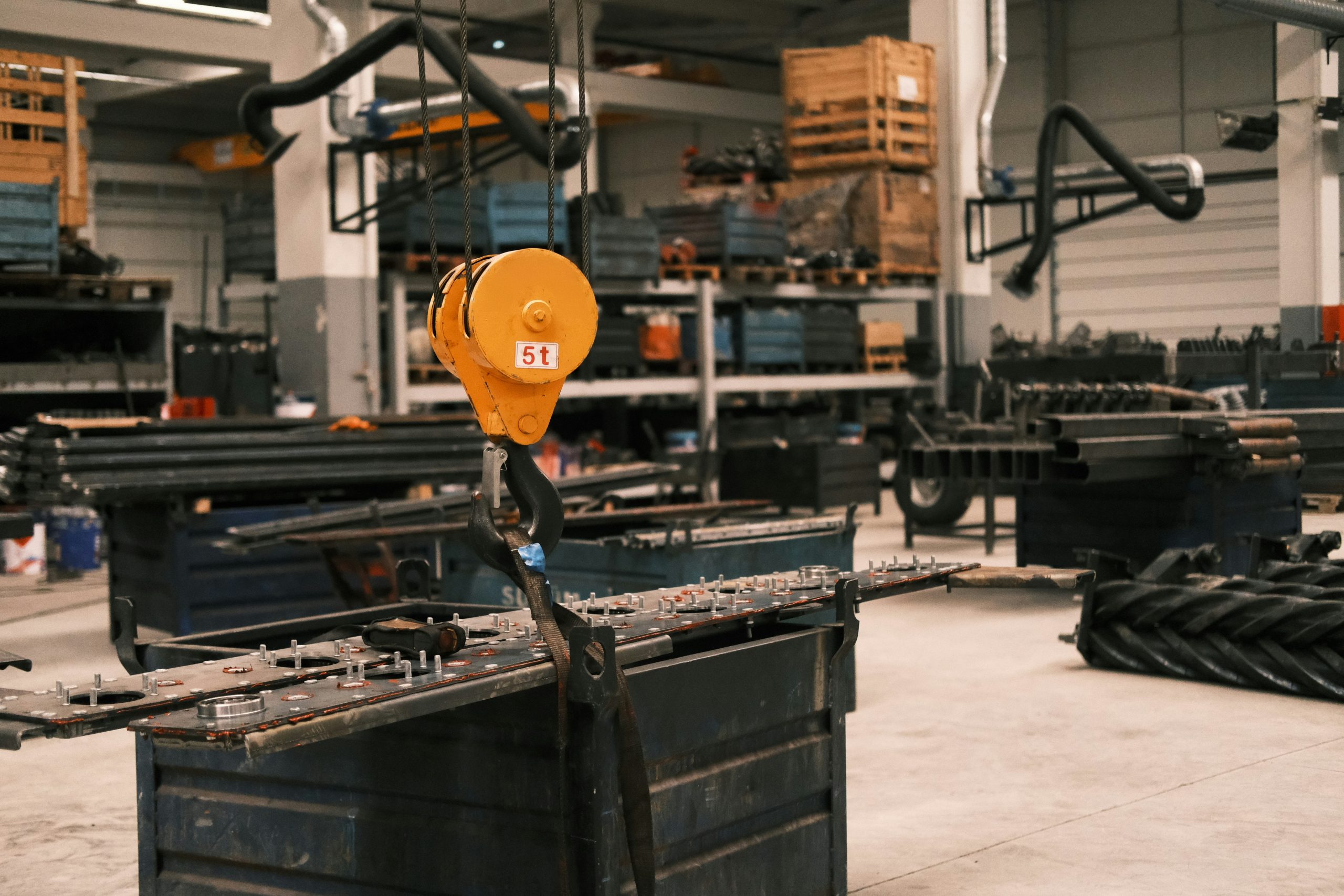
Well now, let me tell you, when you’ve spent nearly five decades in this business, you see a thing or two. You see the good, the bad, and the downright dangerous. And if there’s one thing I’ve learned above all else, it’s that when it comes to material handling, safety ain’t just a buzzword; it’s the bedrock of your operation. You can have the fanciest forklifts, the most advanced conveyor systems, but if you skimp on safety, you’re just building a house of cards. And believe me, those cards come tumbling down with a whole lot more force than you’d ever want to witness.
Now, I’m not just here to scare you, though a healthy dose of respect for these powerful machines is never a bad thing. I’m here to share what I’ve picked up over the years, to give you the real lowdown, the kind of advice that comes from countless hours on factory floors and in bustling warehouses. This isn’t just theory, folks; this is hard-won wisdom.
The Human Element: Your Most Valuable Asset… and Your Biggest Vulnerability
Let’s start where most accidents truly begin: with people. Machines don’t make mistakes (usually, unless they’re faulty, and we’ll get to that). People do. Fatigue, distraction, a moment of carelessness – that’s often all it takes.
Comprehensive Training Isn’t a Suggestion, It’s an Imperative
You wouldn’t let a novice pilot a jumbo jet, would you? So why would you let someone operate a heavy-duty forklift or a complex automated storage and retrieval system without proper training? And I don’t mean a quick video and a pat on the back. I mean thorough, hands-on, regularly updated training.
- Initial Certification: This is your baseline. Operators need to know the specific equipment they’re using inside and out. Different forklifts, different safety protocols. Reach trucks operate differently than counterbalance trucks, and a pallet jack has its own quirks.
- Refresher Courses: Memory fades, bad habits creep in. Annual or biennial refreshers are crucial. This isn’t just about recertification; it’s about reinforcing best practices and addressing any new equipment or operational changes.
- Hazard Recognition Training: Teach your team to see danger before it becomes a disaster. What are the warning signs of an overloaded pallet? What does a failing conveyor belt sound like? Empower them to identify and report issues immediately.
- Emergency Procedures: What do you do if a load shifts? If a machine breaks down mid-operation? If there’s an emergency evacuation? Everyone needs to know their role and the correct steps to take, and these need to be practiced, not just read.
Fostering a Culture of Safety
Training is one thing, but cultivating an environment where safety is genuinely valued and prioritized is another. This means leading by example, from the top down.
- Open Communication Channels: Encourage your team to speak up about safety concerns without fear of reprisal. Sometimes the folks on the front lines see potential problems long before management does. Listen to them.
- Accountability, Not Blame: When an incident occurs, focus on understanding why it happened, not just who was involved. Was it a systemic issue? A training gap? Equipment fault? Blaming individuals without addressing root causes just pushes problems underground.
- Regular Safety Meetings: These aren’t just for ticking a box. Make them engaging. Discuss recent incidents (anonymously, if appropriate), share best practices, and involve your team in identifying solutions.
For those interested in enhancing their understanding of safety protocols in the use of material handling equipment, a valuable resource can be found in the article titled “Best Practices for Safe Material Handling.” This article provides comprehensive insights into safety measures, equipment maintenance, and operator training, making it an essential read for anyone involved in the industry. To explore this informative piece, visit Material Handling Equipment Safety Guide.
Equipment Inspections: Don’t Just Kick the Tires, Really Look at Them!
You wouldn’t drive your car for years without an oil change or checking the brakes, would you? The same principle, magnified by about a thousand, applies to material handling equipment. These machines work hard, they take a beating, and they need constant attention.
Pre-Shift Checks: The Daily Ritual
Before any piece of equipment is put to work, a thorough pre-shift inspection is non-negotiable. This isn’t a suggestion; it’s a legal and ethical requirement in many places, and it just makes good sense.
- Fluid Levels and Leaks: Oil, hydraulic fluid, coolant – check them all. Any leaks are a red flag.
- Tires and Wheels: Look for excessive wear, proper inflation, and any damage. A blown tire on a forklift carrying a heavy load is a catastrophic incident waiting to happen.
- Lights and Horn: Essential for visibility and communication. Test all lights (headlights, taillights, warning lights) and the horn.
- Brakes and Steering: Crucial for control. Test both the service brake and the parking brake. Check for any looseness or play in the steering.
- Fork Arms/Attachments: Inspect for cracks, bends, or damage. Ensure mounting pins and locking mechanisms are secure.
- Safety Devices: Test seatbelts, operator presence systems, and any warning alarms. If it’s designed to keep someone safe, make sure it’s working.
Routine Maintenance: Prevention is Cheaper Than Repair (and Injury)
Beyond the daily checks, scheduled maintenance is paramount. This is where you catch wear and tear before it leads to failure.
- Manufacturer’s Recommendations: Adhere strictly to the manufacturer’s maintenance schedule. They designed the equipment; they know its needs.
- Qualified Technicians: Don’t let just anyone tinker with your expensive and complex machinery. Use certified, experienced technicians for all major servicing and repairs.
- Documentation: Keep meticulous records of all inspections, maintenance, and repairs. This not only helps track equipment health but also provides valuable data for assessing performance and identifying recurrent issues. It’s also crucial for regulatory compliance.
Safe Operations: Rules for the Road (and the Warehouse Floor)
Even with perfectly maintained equipment and well-trained operators, poor operational practices can lead to disaster. These aren’t just guidelines; they are the laws of the warehouse.
Load Management: More Than Just Stacking High
The physics of lifting and moving heavy loads is unforgiving. Exceeding capacity or improperly balancing a load is a gamble you will lose eventually.
- Capacity Limits: Know the rated capacity of each piece of equipment and never exceed it. That includes attachments, which can reduce overall capacity.
- Load Center: Understand the load center and how it affects stability. A seemingly lighter load placed far from the mast can destabilize a forklift more than a heavier, properly centered one.
- Visibility: Ensure the load doesn’t obscure the operator’s view. If it does, traveling in reverse (where safe and appropriate) or using a spotter is essential.
- Secure Loads: Pallets need to be stable, shrink-wrapped, or otherwise secured to prevent shifting or falling during transit. Fallen product isn’t just a loss; it’s a major trip and fall hazard, and potentially a danger from falling debris.
Traffic Management: Preventing Collisions and Congestion
Warehouses and distribution centers are bustling environments, often with a mix of pedestrians, forklifts, and other vehicles. Without proper traffic control, it’s a recipe for chaos.
- Designated Walkways and Vehicle Aisles: Clearly demarcate pedestrian paths and vehicle lanes. Use floor markings, barriers, and signage.
- One-Way Systems: Where practical, implement one-way traffic flow to reduce potential head-on collisions.
- Speed Limits: Enforce strict speed limits within the facility. Speed kills, even at seemingly low rates of speed when heavy equipment is involved.
- Blind Corner Mirrors: Install convex mirrors at blind intersections to give operators and pedestrians a heads-up.
- Spotters: For maneuvers with limited visibility or in high-traffic areas, a trained spotter is a crucial additional layer of safety. Always use them when moving oversized loads or backing up in tight spaces.
Please visit our website for a wide range of material handling equipment.
Environmental Considerations: Your Workspace Matters
It’s not just the machines and the people; the environment in which they operate plays a significant role in overall safety. Don’t overlook the structural integrity and layout of your facility.
Racking and Storage Systems: The Silent Guardians
Poorly maintained or improperly installed racking systems are ticking time bombs. Everyone focuses on the forklift that knocks the rack, not the rack that was already compromised.
- Load Capacity: Know the weight capacity of your racking and individual shelves. Never exceed it. Label these capacities clearly.
- Regular Inspections: Implement a routine inspection schedule for all racking. Look for bent uprights, damaged beams, missing safety pins, and loose anchor bolts. Any damage needs to be addressed immediately.
- Flue Spaces: Maintain proper flue spaces (the gaps between stored materials) for fire safety and sprinkler system effectiveness.
- Rack Protectors: Install column guards and end-of-aisle protection to minimize damage from inevitable impacts. Better to dent a protector than compromise a structural upright.
Floor Conditions and Lighting: Simple But Critical
These often-overlooked factors contribute to countless slips, trips, and falls, and can severely impact equipment performance and stability.
- Clean and Dry Floors: Spills, debris, and uneven surfaces are major hazards. Implement stringent housekeeping protocols.
- Adequate Lighting: Ensure all work areas, especially aisles, loading docks, and storage zones, are brightly lit. Poor visibility is a direct contributor to accidents.
- Dock Safety: Secure trailers at the dock with wheel chocks or vehicle restraints. Use dock plates or bridge plates that are properly secured and capable of handling the load. Never allow a forklift to drive into an unchocked trailer.
For those looking to enhance their understanding of safety in material handling, the Material Handling Equipment Safety Guide offers essential insights. Additionally, you may find it beneficial to explore related topics, such as the importance of proper mezzanine stairs and railings, which can significantly contribute to workplace safety. You can read more about this in the article on mezzanine stairs and railing.
Emerging Technologies and Future-Proofing Safety
We’re in an age of incredible technological advancement, and material handling is no exception. These innovations aren’t just about efficiency; they’re about making our workplaces safer.
Automation and Robotics: Reducing Human-Machine Interaction Risks
The rise of automated guided vehicles (AGVs) and autonomous mobile robots (AMRs) offers immense safety benefits by removing human operators from potentially hazardous tasks.
- Reduced Collisions: AGVs and AMRs are equipped with sophisticated sensors (LiDAR, cameras) that allow them to navigate safely, detect obstacles, and stop to prevent collisions.
- Ergonomic Improvements: Automating repetitive or strenuous tasks reduces the risk of musculoskeletal injuries for human workers.
- Consistent Operation: Robots don’t get tired, distracted, or make judgment errors. They follow programmed paths and safety protocols precisely.
Telematics and Operator Assist Systems: Smart Safety
Even with traditional equipment, technology is stepping in to enhance safety.
- Telematics Systems: These systems can track operator behavior (speeding, hard braking, impacts), identify areas for improvement, and even shut down equipment in certain dangerous situations. They provide invaluable data for proactive safety management.
- Proximity Sensors and Anti-Collision Systems: Similar to modern car technology, these systems warn operators of nearby obstacles, pedestrians, or other vehicles, helping to prevent collisions.
- Visual Aids: Cameras and monitors on forklifts (especially for high lifts or limited visibility areas) give operators a much clearer view, reducing guesswork and blind spots.
My friends, this isn’t just about avoiding fines or saving a buck. This is about sending everyone home safe at the end of their shift. It’s about building a robust, resilient operation that values its people above all else. Material handling equipment, in the right hands and with the right protocols, is an incredible tool. But without a deep, abiding respect for safety, it can turn into a terrible force. So take this advice, embrace it, and make safety not just a policy, but a living, breathing part of your day-to-day operations. Your people and your bottom line will thank you for it.
FAQs
What is material handling equipment?
Material handling equipment refers to tools, vehicles, and storage units used to move, protect, store, and control materials and products throughout the manufacturing, distribution, consumption, and disposal process.
What are some common types of material handling equipment?
Common types of material handling equipment include forklifts, conveyors, cranes, hoists, pallet jacks, and storage racks. Each type of equipment is designed for specific material handling tasks.
What are some safety guidelines for using material handling equipment?
Safety guidelines for using material handling equipment include proper training for operators, regular equipment maintenance, wearing appropriate personal protective equipment, following load capacity limits, and keeping work areas clear of obstacles.
What are the risks associated with material handling equipment?
Risks associated with material handling equipment include accidents such as tip-overs, collisions, and falls, as well as injuries from improper lifting techniques, repetitive motion, and exposure to hazardous materials.
How can employers promote material handling equipment safety in the workplace?
Employers can promote material handling equipment safety by providing comprehensive training for operators, conducting regular safety inspections, implementing ergonomic work practices, and encouraging open communication about safety concerns.