
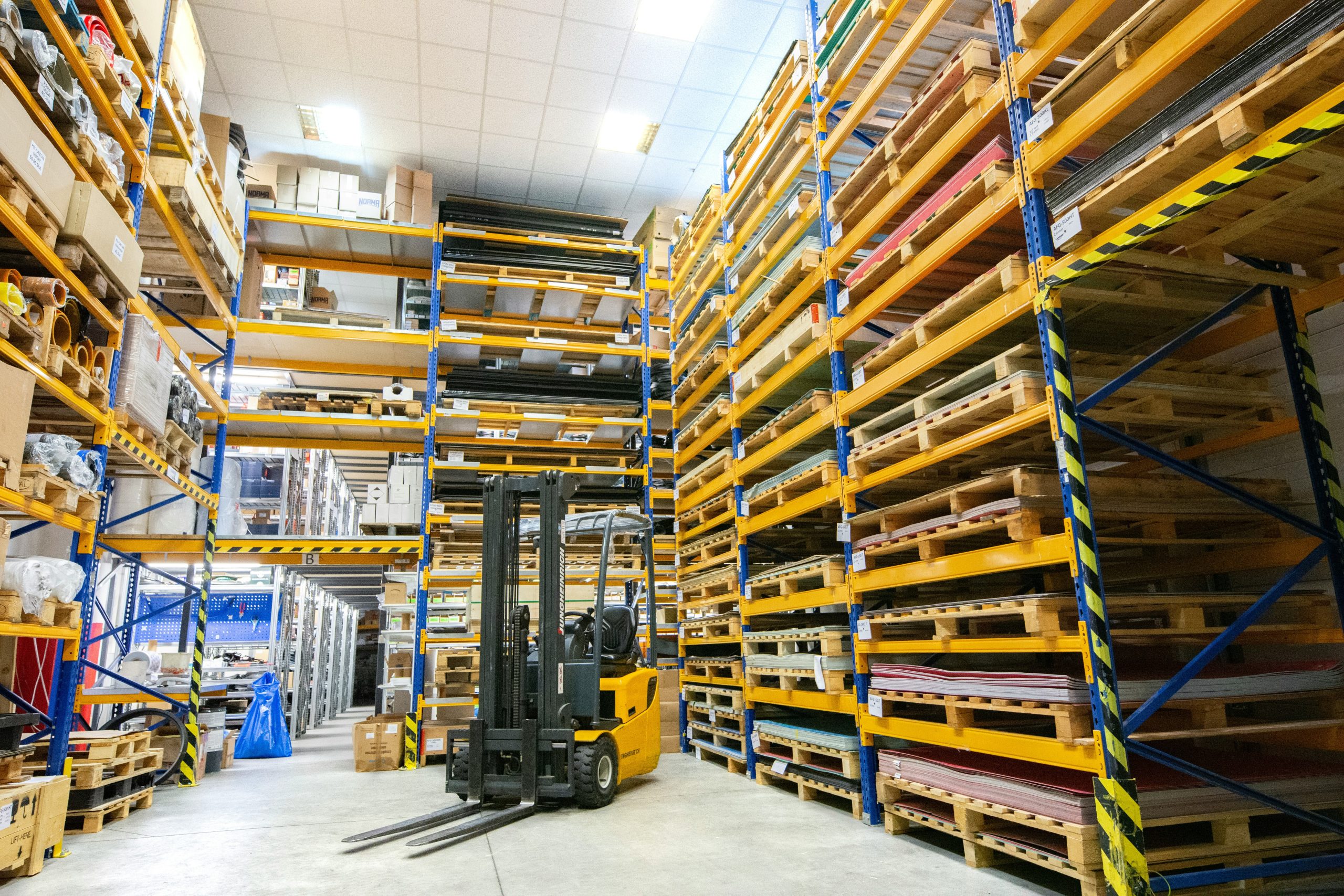
Alright, settle in, folks. You’ve come to the right place. For nigh on fifty years now, I’ve been wrestling with forklifts, stacking pallets, and generally coaxing goods from point A to point B in the most efficient, safest, and, dare I say, elegant way possible. And let me tell you, the world of material handling equipment is a marvel. It’s not just clunky metal and roaring engines; it’s a symphony of engineering, a ballet of logistics, and a cornerstone of modern commerce.
You might think choosing a piece of equipment is as simple as picking the prettiest color or the one with the biggest price tag. Well, bless your heart, if you think that, you’ve got a whole lot of learning ahead of you. The truth is, selecting the right material handling equipment for your operation isn’t just a good idea; it’s the bedrock of your efficiency, your profitability, and frankly, your sanity. Get it wrong, and you’re looking at wasted time, damaged goods, frustrated employees, and a bottom line that looks sadder than a dropped ice cream cone on a hot sidewalk.
But don’t you fret. That’s what I’m here for. Over the decades, I’ve seen it all. The brilliant solutions, the laughable missteps, and the quiet triumphs of operations that finally found their perfect mechanical match. Today, I’m going to pull back the curtain and share some of the hard-won wisdom I’ve gathered. Think of this as your personal roadmap, forged in the fires of countless warehouses and loading docks.
Understanding Your Operation: The Foundation of Smart Decisions
Before you even dream of looking at a spec sheet or kicking the tires of a forklift, you need to become an archaeologist of your own business. You need to dig deep and understand precisely what it is you’re trying to achieve. This isn’t about guessing; it’s about meticulous observation and honest assessment.
What Are You Moving and How Much of It?
This is the absolute bedrock. What are the physical characteristics of the materials you’re handling? Are we talking about delicate electronics that need a gentle touch, or hulking steel beams that require brute force?
Product Weight and Dimensions
This is probably the most obvious factor, but you’d be surprised how many people gloss over it. How much does a single unit weigh? What are its typical dimensions? And critically, are these consistent, or do you deal with a wide variation? A system designed for 50-pound boxes will be woefully inadequate for 2,000-pound containers.
Product Fragility and Sensitivity
Moving fragile items requires different equipment and techniques than moving robust, non-perishable goods. Think about whether your products are susceptible to vibration, impact, or environmental changes. This might mean spec’ing equipment with specific shock absorption features or materials, or even considering specialized conveyor systems.
Product Form and Packaging
Are you moving loose items, palletized loads, bulk bags, drums, or something else entirely? The shape and how items are bundled together dramatically influence the type of lifting and carrying equipment you’ll need. A clamp attachment for a forklift is useless if you’re only moving palletized goods, for instance.
The Demands of Your Environment: Where the Real Challenges Lie
The environment in which your equipment operates is just as crucial as the goods themselves. A beautiful, state-of-the-art forklift will be a paperweight if it can’t navigate your aisles or withstand the conditions.
Aisle Widths and Turning Radii
This is a classic constraint. Older warehouses, or those not designed with modern material handling in mind, often have narrow aisles. This immediately dictates the maneuverability required from your equipment. A standard counterbalance forklift might not be able to turn in a tight space, forcing you to consider reach trucks, turret trucks, or even aisle-cruising automated guided vehicles (AGVs). Measure those aisles! Measure them again!
Floor Conditions and Load Capacity
Are your floors smooth concrete, worn asphalt, or perhaps uneven? Heavy equipment can damage weak floors, and an uneven surface can make stable operation a nightmare. Understand the load-bearing capacity of your flooring and choose equipment accordingly. You don’t want your brand new pallet jack digging divots into your warehouse floor.
Temperature and Humidity Control
Does your operation require temperature-controlled environments – freezers, coolers, or even specialized clean rooms? This isn’t just about human comfort; it’s about equipment durability. Many standard components might not function reliably or last as long in extreme temperatures. You’ll need specialized units designed for these conditions.
Indoor vs. Outdoor Operations
The line between indoors and outdoors is a significant one. Equipment designed solely for indoor use might not have the weatherproofing or ruggedness required for outdoor exposure to rain, sun, and dust. Conversely, heavy-duty outdoor equipment might leave marks or create dust in a pristine indoor environment.
Workflow and Throughput: The Engine of Productivity
Beyond the static details, you need to understand the dynamic. How does material flow through your facility? What are the demands on your system throughout the day, week, or season?
Required Throughput Rates
How many units, pallets, or loads need to be moved within a specific timeframe? This is your target. If you need to move 100 pallets an hour, a single manual pallet jack simply won’t cut it. This dictates the speed and capacity of the equipment you consider.
Peak vs. Average Load Times
Are your operations consistently busy, or do you experience significant peaks and valleys? During peak times, your equipment needs to perform at its best. Sometimes, having equipment that can handle peak demand, even if it sits idle during slower periods, is more cost-effective than constantly struggling.
Storage and Retrieval Strategies
How are you storing your goods? High-rack storage demands equipment with significant lift heights. Buffer stock areas might require equipment that can easily access and move large quantities. Understanding your chosen storage method is key.
When selecting the appropriate material handling equipment, it’s essential to consider various factors such as the type of materials being handled, the layout of your workspace, and the specific tasks at hand. For further insights on this topic, you may find the article on Choosing the Right Material Handling Equipment particularly useful, as it provides detailed guidance on how to make informed decisions that enhance efficiency and safety in your operations.
Types of Material Handling Equipment: A World of Options
Once you’ve got a solid grasp of your operational needs, you can start exploring the vast landscape of material handling equipment. Don’t feel overwhelmed; think of it as a menu of solutions tailored to your specific challenges.
Lifting and Lowering Equipment: The Powerhouses
These are the machines that literally lift the burden, allowing you to overcome gravity and place items where they need to be.
Forklifts (Counterbalance, Reach, Narrow Aisle, etc.)
Ah, the classic forklift. But don’t be fooled by its ubiquity; there are many breeds.
- Counterbalance Forklifts: The workhorses. They use counterweights to balance the load. Great for general-purpose lifting, loading trucks, and moving pallets.
- Reach Trucks: Designed for narrow aisles and higher racking. Their forks extend forward to reach into racks.
- Narrow Aisle / Turret Trucks: These are the true specialists for ultra-narrow aisles. Their operator cabs and forks can rotate to grab loads from either side.
- Electric vs. Internal Combustion (IC) Engines: A crucial decision. Electric forklifts are quieter, cleaner, and usually more cost-effective for indoor use, with lower running costs. IC forklifts offer more power and versatility for outdoor or heavy-duty applications, but come with emissions and higher maintenance.
Pallet Jacks (Manual and Powered)
The unsung heroes of the loading dock.
- Manual Pallet Jacks: Simple, affordable, and effective for short distances and lighter loads where powered equipment isn’t necessary or economical.
- Powered Pallet Jacks (Electric Pallet Trucks): A godsend for reducing manual strain. They offer powered lift and travel, making them much more efficient for moving pallets across longer distances or in busy environments.
Stackers (Walkie, Stand-on, Ride-on)
These offer a middle ground between pallet jacks and full forklifts, particularly for lower to medium-height stacking.
Conveying Systems: The Unrelenting Flow
When you need to move items consistently and automatically, conveyors are your answer. They’re the silent, tireless arteries of many operations.
Belt Conveyors
Ideal for moving bulk materials, boxes, or individual items across flat surfaces. They are versatile and can be configured in various lengths and widths.
Roller Conveyors (Gravity and Powered)
Gravity roller conveyors use the force of gravity to move items downhill. Powered roller conveyors use motors to propel items, offering more control over speed and direction. Excellent for moving boxes and totes.
Overhead Conveyors
These systems suspend materials from an overhead track, freeing up floor space. Often used in manufacturing for moving components or finished goods.
Slat Conveyors
Used for heavier items or those with uneven bottoms that might not track well on rollers or belts. Think of car assembly lines; they often use slat conveyors.
Storage and Retrieval Systems: Maximizing Space
These are the giants that allow you to make the most of your vertical and horizontal space, storing and retrieving goods efficiently.
Automated Storage and Retrieval Systems (AS/RS)
The pinnacle of warehouse automation. These sophisticated systems use robotics and software to store and retrieve inventory with incredible speed and accuracy, often in very dense configurations. They can be a significant investment but offer unparalleled efficiency.
Racking and Shelving Systems
While not technically “equipment” in the same sense as a forklift, the right racking is integral to effective material handling.
- Selective Pallet Racks: The most common type, allowing direct access to each pallet.
- Drive-In / Drive-Thru Racks: For high-density storage where first-in, first-out is not critical.
- Mobile Racking: Where aisles are created by moving entire rows of racking, maximizing space utilization even further.
Other Specialized Equipment: Addressing Niche Needs
Beyond the major categories, a host of specialized equipment exists to tackle specific challenges.
Cranes and Hoists
For very heavy or awkward loads, particularly in manufacturing or construction environments. You have overhead cranes, gantry cranes, jib cranes, and various types of hoists.
AGVs and AMRs (Automated Guided Vehicles and Autonomous Mobile Robots)
These are the intelligent movers.
- AGVs: Follow predefined paths (wires, optical sensors, magnetic strips).
- AMRs: More advanced, navigating dynamically using sensors and AI, able to adapt to changing environments. They are rapidly becoming the future of warehouse automation.
Lift Tables and Dock Levelers
Essential for bridging elevation differences, improving ergonomics, and ensuring safe loading and unloading.
The Crucial Evaluation Process: Making the Intelligent Choice
Now that you’ve surveyed the landscape of your needs and the available solutions, it’s time for the detective work. This is where you weed out the pretenders and identify the champions for your operation.
Total Cost of Ownership (TCO): Beyond the Sticker Price
This is where many folks stumble. They see a lower upfront cost and think they’ve found a bargain. Fools, I tell you! The real cost of equipment isn’t just what you pay to buy it.
Initial Purchase Price vs. Lease Options
Do you have the capital for a direct purchase, or would leasing be a more financially sound strategy, allowing you to preserve cash flow and access newer technology more frequently?
Operating Costs (Fuel, Electricity, Maintenance)
This is a huge differentiator. An electric forklift might have a slightly higher initial cost than a comparable IC model, but its lower energy consumption and reduced maintenance expenses can make it significantly cheaper to run over its lifespan. Don’t forget about the cost of charging infrastructure for electrics.
Maintenance and Repair Expenses
Some equipment brands are known for their reliability and ease of repair, while others can be costly nightmares. Consider the availability of spare parts, the complexity of repairs, and the prevailing labor rates in your area.
Downtime Costs
This is often the most overlooked aspect of TCO. When a crucial piece of equipment breaks down, what is the cost to your operation? Lost productivity, missed deadlines, and potential penalties can far outweigh the initial savings on a cheaper, less reliable machine.
Safety Features and Ergonomics: Protecting Your Most Valuable Asset
Your employees are the heart of your operation. Choosing equipment that prioritizes their safety and well-being isn’t just good practice; it’s a moral imperative and a smart business decision that reduces accidents, claims, and turnover.
Accident Prevention Features
Look for built-in safety mechanisms. This could include audible alarms for reversing, flashing lights, operator presence sensors that stop the machine if the operator leaves, speed limiters, and stability control systems.
Operator Comfort and Ergonomics
A comfortable operator is a more productive and safer operator. Consider features like adjustable seating, intuitive controls, vibration dampening, and adequate visibility. For long shifts, an ergonomic design is non-negotiable.
Training Requirements
Does the equipment require specialized training? Factor in the cost and time commitment for ensuring your operators are fully qualified and competent.
Performance and Reliability: The Test of Time
You need equipment that can consistently perform the tasks you assign it, day in and day out, without faltering.
Manufacturer Reputation and Support
Do your homework on the manufacturers. Have they been around for a while? Do they have a good reputation for quality and customer service? What is their dealer network like in your region?
Warranties and Service Agreements
A robust warranty is a good indicator of a manufacturer’s confidence in their product. Extended service agreements can offer peace of mind and predictable maintenance costs.
Case Studies and User Reviews
See what other businesses are saying about the equipment you’re considering. Real-world experiences are invaluable.
Please visit our website for a wide range of material handling equipment.
Piloting and Integration: Sealing the Deal
You’ve done your research, you’ve narrowed down your choices, but you’re not quite ready to sign on the dotted line. There are still crucial steps to take.
Demonstrations and Trials: Hands-On Experience
Spec sheets are one thing; putting the equipment to work in your environment is another entirely.
On-Site Demonstrations
Insist on seeing the equipment in action on your own facility floor, performing typical tasks. This is where you’ll spot any potential clearance issues, maneuverability problems, or integration challenges.
Pilot Programs and Rentals
If possible, arrange for a pilot program or a short-term rental. This allows your operators to get hands-on experience and provides valuable feedback before a major commitment. It’s the best way to truly assess fit.
Integration with Existing Systems: Working in Harmony
Your new equipment won’t operate in a vacuum. It needs to play nicely with your existing infrastructure and workflows.
Software Integration (for Automated Systems)
If you’re looking at AGVs, AMRs, or AS/RS, integration with your Warehouse Management System (WMS) or Enterprise Resource Planning (ERP) is paramount. Ensure seamless data flow and communication.
Facility Modifications
Will your new equipment require any modifications to your existing facility? This could include widening aisles, reinforcing floors, installing charging stations, or upgrading electrical systems. Don’t let these become afterthoughts.
Training and Ongoing Support: Ensuring Long-Term Success
The best equipment in the world is useless if your team doesn’t know how to operate and maintain it properly.
Operator Training Programs
Ensure the manufacturer or dealer provides comprehensive training for your operators. This should cover safe operation, basic maintenance, and troubleshooting.
Maintenance and Service Plans
Establish a clear plan for routine maintenance and have a reliable service provider lined up for any unexpected issues. Proactive maintenance is always cheaper than reactive repairs.
When selecting the appropriate material handling equipment, it is essential to consider various factors that can enhance efficiency and safety in your operations. A related article that delves deeper into this topic is available at Automated Material Handling, which explores how automation can streamline processes and reduce labor costs. Understanding these advancements can significantly influence your decision-making when it comes to choosing the right equipment for your specific needs.
The Future of Material Handling: Embracing Innovation
The world of material handling is not static. It’s constantly evolving, driven by technology and the relentless pursuit of greater efficiency and safety. As you make your decisions, keep an eye on the horizon.
Automation and Robotics: The Intelligent Future
As mentioned, AGVs, AMRs, and AS/RS are no longer science fiction; they are increasingly becoming the standard in efficient operations. Expect to see more AI-driven decision-making, collaborative robots, and fully automated fulfillment centers.
Data Analytics and IoT: Smarter Operations
The Internet of Things (IoT) is bringing sensors and connectivity to material handling equipment. This allows for real-time performance monitoring, predictive maintenance, energy usage optimization, and a wealth of data that can be used to fine-tune your operations.
Sustainability and Green Technologies: A Responsible Choice
The industry is increasingly focusing on sustainability. Electric and hydrogen-powered equipment, energy-efficient designs, and more responsible manufacturing processes are becoming the norm. Making environmentally conscious choices can also lead to long-term cost savings and a better corporate image.
So there you have it, my friends. Choosing the right material handling equipment is a journey, not a destination. It requires careful planning, honest assessment, and a willingness to explore the vast array of solutions available. But when you get it right, when you find that perfect piece of machinery that hums in harmony with your operation, the rewards are immense. You’ll see increased productivity, reduced costs, happier employees, and a business that’s poised for success. Don’t hesitate to ask questions, seek out experts (like me!), and most importantly, trust your gut after you’ve done your homework. Now go forth, and handle that material with wisdom and confidence!
FAQs
What are the different types of material handling equipment?
There are various types of material handling equipment, including forklifts, pallet jacks, conveyors, cranes, hoists, and automated guided vehicles (AGVs).
How do I choose the right material handling equipment for my business?
When choosing material handling equipment, consider factors such as the type and size of the materials being handled, the layout of the facility, the required lifting capacity, and the frequency of use. It’s also important to consider safety features and ergonomic design.
What are the benefits of using material handling equipment?
Material handling equipment can improve efficiency, reduce manual labor, minimize the risk of injury, and streamline the movement of goods within a facility. It can also help optimize storage space and enhance overall productivity.
What are some common safety considerations when using material handling equipment?
Safety considerations when using material handling equipment include proper training for operators, regular equipment maintenance, clear communication and signaling, proper use of personal protective equipment, and adherence to weight and capacity limits.
How can I maintain and care for material handling equipment?
Regular maintenance and care for material handling equipment include following manufacturer’s guidelines for inspections and servicing, keeping equipment clean and free of debris, and promptly addressing any signs of wear or damage. It’s also important to train operators on proper equipment use and maintenance.