
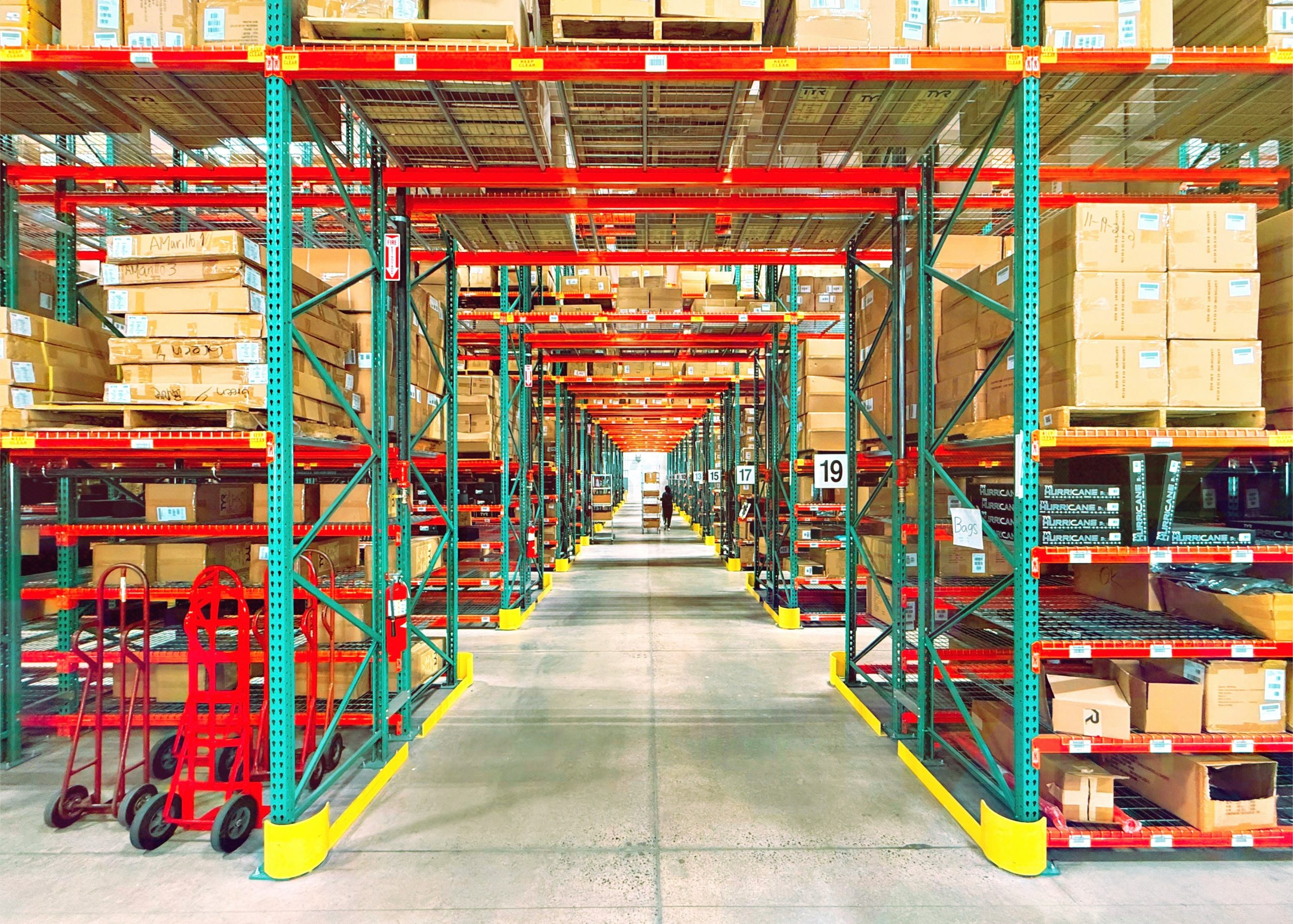
Well now, settle in, pull up a chair, and let Uncle Hank tell you a thing or two. You want to talk about warehouse automation and material handling? Excellent choice, my friend. This is the heart and soul of getting goods where they need to be, safely, efficiently, and for a profit. I’ve been knee-deep in this game for nigh on fifty years, seen it all, from the days of muscle and elbow grease to the humming, whirring marvels of today’s automated systems. And let me tell you, it’s more than just moving boxes; it’s about understanding the flow, the rhythm, the very pulse of a business. It’s a fascinating dance, a precise ballet of mechanics and logic, and I’m always thrilled when someone wants to learn the steps. So, let’s dive in, shall we? Let’s explore this incredible world of making warehouses work smarter, not harder.
You know, when I started out, the idea of a warehouse being “automated” was more science fiction than reality. We were talking about better forklifts, maybe some conveyor belts, and a whole lot of people with strong backs and sharp minds. And let me tell you, those days forged some incredible material handling experts. You learned by doing, you learned by mistakes, and you learned to anticipate the needs of a busy dock. But times, they do change. The demands on warehouses have exploded. Think about it: the rise of e-commerce, just-in-time manufacturing, global supply chains – it’s all put immense pressure on warehouses to be faster, more accurate, and more adaptable than ever before.
The Dawn of Mechanization: The Early Innovations
Back in the day, the first big leaps were about reducing pure physical strain. We saw the advent of the powered pallet truck, a game-changer for moving heavier loads without hauling them by hand. Then came the forklift, a true workhorse that revolutionized stacking and movement within the warehouse. These weren’t “automated” in the sense we think of today, but they were the first steps towards mechanizing the labor. Think of it as upgrading from a hand plow to a tractor – still significant human input, but far more power and capability. Conveyor systems also started to emerge, helping to move items in a continuous flow, especially in high-volume manufacturing settings. It was about creating pathways, making the movement more predictable and less chaotic.
The Rise of the Computer: Bringing Logic to the Floor
The real paradigm shift, the one that truly opened the door to automation, was the integration of computers. Suddenly, we weren’t just moving things; we were tracking them, managing them, and optimizing their journeys. Warehouse Management Systems, or WMS software, began to appear. These systems allowed for inventory to be tracked with unprecedented accuracy. Where is item A? How many do we have? When did it arrive? These weren’t simple questions to answer manually. WMS brought digital intelligence to the physical space. This was the bedrock upon which modern automation would be built. The computer provided the brain; the machinery provided the brawn.
The Digital Revolution and Beyond: Current Trends
And that brings us to today, a truly astonishing era. We’re talking about robots that can pick and pack orders, autonomous vehicles that navigate complex layouts, and sophisticated software that orchestrates the entire operation. The speed of innovation is breathtaking. It’s not just about making things faster anymore; it’s about making them smarter, more flexible, and far more integrated. The goal is a seamless flow of materials, where every movement is optimized, every decision is data-driven, and the human element is leveraged for tasks that require judgment, dexterity, or complex problem-solving. It’s an exciting time, truly.
Warehouse automation and material handling are rapidly evolving fields that are essential for improving efficiency and productivity in logistics operations. For those interested in exploring the latest advancements and special offers in this area, a related article can be found at this link. This resource provides valuable insights into innovative solutions that can streamline warehouse processes and enhance overall performance.
The Pillars of Warehouse Automation: What Makes It Work
So, what are the fundamental components that make warehouse automation tick? It’s not a single magical machine; it’s a symphony of interconnected technologies working in harmony. Understanding these pillars is key to appreciating the power and potential of automation. Think of it like building a house – you need a strong foundation, sturdy walls, and a well-designed roof, all working together.
Conveyor Systems: The Silent Arteries of the Warehouse
Ah, conveyors. Never underestimate the humble conveyor belt. For decades, they’ve been the unsung heroes, moving goods from point A to point B without a single human touch. We’ve come a long way from simple belt conveyors.
Belt and Roller Conveyors: The Workhorses
These are the veterans, the reliable workhorses. Belt conveyors are great for a wide variety of products, from small packages to bulk materials. Roller conveyors, on the other hand, are excellent for items with flat bottoms, allowing them to slide smoothly. They’re typically used in order fulfillment lines, sorting areas, and for moving pallets between different zones.
Accumulation Conveyors: Holding Patterns for Efficiency
These are clever little devils. Accumulation conveyors allow items to be temporarily held without pressure, preventing damage and keeping downstream operations from being overwhelmed. Think of them as waiting rooms for your products, allowing for smooth transitions and preventing bottlenecks.
Sortation Conveyors: The Traffic Directors
This is where things get really interesting. Sortation conveyors are designed to automatically divert items to specific destinations. Whether it’s by product type, customer order, or shipping carrier, these systems use diverters, pushers, or other mechanisms to send items down the right path. They are absolutely critical for high-volume operations that need to process a large number of orders efficiently.
Automated Storage and Retrieval Systems (AS/RS): Stacking Smarter, Not Harder
Now, this is where things really start to look like the future. AS/RS systems are designed to automate the storage and retrieval of goods, maximizing space utilization and dramatically increasing throughput. They are the backbone of many modern, high-density warehouses.
High-Bay Storage Systems: Reaching for the Sky
These are the towering giants. High-bay systems use massive racks that can extend dozens of meters into the air, serviced by automated cranes or shuttles. They are perfect for businesses with large quantities of inventory and limited floor space. The space savings alone can be astounding, allowing you to store far more product in the same footprint.
Pallet Cranes and Shuttles: Precision on the Move
The stars of the high-bay show. Automated cranes, often called stacker cranes, move vertically and horizontally within the racks to deposit or retrieve pallets. Automated shuttles are becoming increasingly popular, offering more flexibility and the ability to run multiple shuttles independently on different levels, significantly increasing retrieval speeds. They whisper precision as they glide through the aisles.
Unit-Load AS/RS: For Pallets and Beyond
When we talk about unit loads, we’re generally referring to full pallets or large containers. Unit-load AS/RS are designed to handle these heavy items with robust machinery like stacker cranes. But the “beyond” part is exciting too – we’re seeing AS/RS designed for totes, cases, and even individual items, blurring the lines with other automated systems.
Autonomous Mobile Robots (AMRs) and Automated Guided Vehicles (AGVs): The Moving Force
These robots are the workhorses that roam the warehouse floor, carrying goods and performing a variety of tasks. They represent a significant leap in flexibility and adaptability compared to fixed systems.
AGVs: Following the Path
Automated Guided Vehicles, or AGVs, have been around longer. They’re fantastic for predictable, repetitive tasks and follow a fixed path – think magnetic tape, painted lines, or wires embedded in the floor. They are reliable and cost-effective for dedicated routes.
AMRs: Navigating the Unpredictable
This is where the real magic happens. Autonomous Mobile Robots, or AMRs, are the more intelligent cousins. They don’t need fixed paths. They use sensors, cameras, and sophisticated algorithms to map their environment and navigate dynamically, avoiding obstacles and finding the most efficient routes on the fly. They can work alongside humans and adapt to changes in the warehouse layout. It’s like comparing a train on a track to a self-driving car in a city – immense differences in capability and freedom.
Warehouse Control Systems (WCS) and Warehouse Execution Systems (WES): The Brains of the Operation
You can have all the fantastic hardware in the world, but without a robust control system, it’s just a collection of expensive metal. WCS and WES are the software brains that orchestrate everything.
WCS: Directing the Machines
The Warehouse Control System, or WCS, is the direct interface between your Warehouse Management System (WMS) and your automated equipment. It tells the conveyor system what to do, directs the AS/RS cranes, and commands the AMRs. It’s the on-the-ground supervisor making sure every machine is doing its job.
WES: The Integrated Orchestrator
Warehouse Execution Systems, or WES, go a step further. They integrate WMS functionalities with WCS and sometimes even elements of Warehouse Control Systems (WES are often seen as an evolution of WCS, blurring the lines). They provide real-time visibility and decision-making across the entire warehouse operation, optimizing workflows, managing tasks, and ensuring peak performance. They are the ultimate conductors of your automated orchestra.
The Benefits of Embracing Automation: Why It’s Worth It
Now, I know what some of you might be thinking: “This all sounds expensive. Is it really worth it?” And you’re right to ask. It’s an investment. But let me tell you, the return on that investment, in terms of efficiency, accuracy, safety, and ultimately, profitability, is often astounding. It’s not just about shaving a few minutes off a task; it’s about fundamentally transforming your operation.
Boosting Efficiency and Throughput: Doing More with Less
This is the most obvious benefit, and perhaps the most impactful. Automated systems can operate 24/7, without fatigue or the need for breaks. They can perform tasks with incredible speed and precision, far surpassing human capabilities in many areas. Think about picking orders: a robot can often pick and place items much faster and more consistently than a person. This translates directly into higher throughput – you can process more orders, move more goods, and serve more customers in a given timeframe. It’s about unleashing the hidden potential of your warehouse space.
Enhancing Accuracy and Reducing Errors: The End of Misplaced Stock
Human error is a fact of life. When you’re dealing with thousands of SKUs and millions of transactions, even a small error rate can become incredibly costly. Automated systems, programmed correctly, are remarkably accurate. They reduce picking errors, shipping errors, and inventory discrepancies. This means fewer returns, happier customers, and significant savings in terms of lost product and labor needed to correct mistakes. Imagine never having to hunt for a misplaced pallet again!
Improving Workplace Safety: Protecting Your Most Valuable Asset
This is something very close to my heart. Warehouses, by their nature, can be dangerous places. Heavy machinery, moving equipment, and repetitive lifting all contribute to the risk of injury. Automation can significantly reduce these risks by taking over the most hazardous or physically demanding tasks. Robots can handle heavy loads, autonomous vehicles can operate in designated zones, and automated systems can prevent collisions. This not only protects your employees but also reduces costs associated with workplace injuries and downtime.
Optimizing Space Utilization: Getting More Out of Every Square Foot
Land is expensive, and warehouse space is at a premium. Automated systems, particularly AS/RS, are designed to maximize vertical space. They can stack goods much higher and more densely than is possible with human operators and traditional racking. This means you can store more inventory in the same footprint, or potentially downsize your facility as your operation grows, freeing up valuable capital. It’s about squeezing every last drop of utility out of your existing space.
Gaining a Competitive Edge: Staying Ahead of the Curve
In today’s fast-paced market, agility and responsiveness are crucial. Companies that embrace warehouse automation are simply better positioned to meet customer demands, adapt to changing market conditions, and outmaneuver their competitors. The ability to fulfill orders faster, more accurately, and at a lower cost provides a significant competitive advantage. It’s not just about keeping up; it’s about leading the pack.
Please visit material handling equipment for all your warehouse equipment needs.
Implementing Automation Successfully: Keys to a Smooth Transition
Now, you might be convinced, but the thought of implementing such complex systems can be daunting. It’s not just about buying the shiny new toys; it’s about a strategic, well-planned approach. I’ve seen projects soar and I’ve seen them stumble, and the difference usually comes down to how they were approached.
Define Your Goals and Objectives: What Do You Really Need?
Before you even look at a robot, ask yourself: what problems are you trying to solve? Are you struggling with accuracy? Throughput? Space? Safety? Clearly defining your objectives will help you choose the right automation solutions. Don’t just automate for the sake of it. Automate to achieve specific, measurable business outcomes. This is the most critical first step, and frankly, one that’s often rushed.
Choose the Right Technology and Vendor: A Partnership, Not Just a Purchase
This is where your experience and research really pay off. Not all automation solutions are created equal, and not all vendors are created the same. Look for a vendor with a proven track record, excellent customer support, and a deep understanding of your industry and specific needs. Don’t be afraid to ask tough questions. Visit their facilities, talk to their existing clients. It’s a significant investment, so you need to be confident in your partner.
Integration with Existing Systems: Making Everything Talk to Each Other
The best automation systems don’t operate in a vacuum. They need to seamlessly integrate with your existing Warehouse Management System (WMS), Enterprise Resource Planning (ERP) system, and other critical software. This is where things can get tricky. A good WCS or WES is essential here, acting as the bridge between your operational hardware and your business software. Poor integration can create more problems than it solves.
Phased Implementation and Pilot Programs: Dip Your Toes In
You don’t have to automate your entire warehouse overnight. A phased approach, starting with a pilot program in a specific area or for a particular task, is often the wisest strategy. This allows you to test the technology, train your staff, identify and resolve any issues, and build confidence before a full-scale rollout. It’s like learning to swim by starting in the shallow end.
Employee Training and Change Management: The Human Element is Crucial
This is perhaps the most underestimated aspect of automation implementation. Your employees are your greatest asset, and their buy-in is essential for success. Communicate openly and honestly about the changes. Provide comprehensive training on how to operate and work alongside the new automated systems. Embrace the fact that roles may shift, and focus on upskilling your workforce to manage and maintain these advanced technologies. The goal is to augment human capabilities, not replace them entirely.
Warehouse automation and material handling are increasingly intertwined as businesses seek to enhance efficiency and reduce operational costs. For those looking to optimize their material handling processes, understanding the selection of appropriate equipment is crucial. A related article that provides valuable insights on this topic can be found here, where you can explore how to choose the right material handling equipment to suit your specific needs. This knowledge can significantly impact your warehouse operations and overall productivity.
The Future of Material Handling: What’s Next on the Horizon?
Looking ahead, the pace of innovation in material handling and warehouse automation isn’t slowing down. It’s accelerating. As technology continues to advance, we’re going to see even more sophisticated, integrated, and adaptable solutions. The warehouse of the future will be a truly intelligent and dynamic environment.
Advanced Robotics and AI: Smarter Than Ever Before
We’re already seeing robots that can sort items with incredible dexterity and AI is becoming increasingly adept at optimizing complex logistics. In the future, expect robots that can handle a wider range of tasks, learn and adapt to new challenges autonomously, and collaborate more effectively with humans in even more intricate ways. Machine learning will be at the forefront, allowing systems to predict demand, optimize inventory placement, and proactively identify potential issues before they arise.
The Internet of Things (IoT) in the Warehouse: Every Item Talking
The Internet of Things, or IoT, is going to connect everything in the warehouse. Sensors on forklifts, conveyor belts, and even individual pallets will provide real-time data on location, condition, and movement. This will create an unprecedented level of visibility and enable truly predictive maintenance and proactive management. Imagine knowing not just where a product is, but its exact temperature, humidity, and vibration levels throughout its journey.
Sustainable Automation: Green Logistics for a Greener Planet
There’s a growing emphasis on sustainability, and material handling automation is no exception. We’re seeing a push towards energy-efficient equipment, robots powered by renewable energy, and systems that optimize routes to reduce fuel consumption and emissions. Automation can play a vital role in creating more environmentally friendly supply chains.
Hyper-Personalization and On-Demand Fulfillment: Meeting Every Need
The demand for hyper-personalized products and on-demand fulfillment is only going to increase. This requires warehouses to be incredibly agile and responsive. Automation will be key to enabling smaller batch sizes, faster order processing, and custom configuration of products directly within the warehouse. It’s about moving from mass production to mass customization, with the warehouse playing a central role.
Warehouse automation and material handling are rapidly evolving fields, and a recent article explores the benefits of integrating automated systems into warehouse operations. By implementing these technologies, businesses can significantly enhance efficiency and accuracy in their material handling processes. For a deeper understanding of how automated material handling systems can transform your operations, you can read more in this insightful article here.
Conclusion: A Journey Worth Taking
So, there you have it. A glimpse into the fascinating world of warehouse automation and material handling. It’s a journey that began with simple mechanical aids and has evolved into a sophisticated interplay of robotics, AI, and data. For those of you looking to optimize your operations, increase your efficiency, and gain a competitive edge, embracing automation is no longer an option; it’s a necessity. It’s a complex but incredibly rewarding field, and I can’t wait to see what the next fifty years will bring. Remember, the key is to understand your needs, select the right partners, and approach implementation with a clear strategy and a focus on your people. And if you ever need to pick my brain further, you know where to find me. Happy handling!
FAQs
What is warehouse automation?
Warehouse automation refers to the use of technology and machinery to automate and streamline the processes involved in storing, retrieving, and moving goods within a warehouse. This can include automated storage and retrieval systems, conveyor systems, robotic picking systems, and more.
What are the benefits of warehouse automation?
Warehouse automation can lead to increased efficiency, accuracy, and productivity in warehouse operations. It can also help reduce labor costs, minimize errors, optimize space utilization, and improve overall inventory management.
What is material handling in the context of warehouse automation?
Material handling in the context of warehouse automation refers to the movement, storage, control, and protection of materials within a warehouse or distribution center. This can include the use of automated guided vehicles (AGVs), robotic arms, conveyor systems, and other technologies to handle and transport goods.
What are some common technologies used in warehouse automation and material handling?
Common technologies used in warehouse automation and material handling include automated storage and retrieval systems (AS/RS), warehouse management systems (WMS), pick-to-light systems, automated guided vehicles (AGVs), robotic arms, conveyor systems, and RFID tracking systems.
What are the key considerations for implementing warehouse automation and material handling systems?
Key considerations for implementing warehouse automation and material handling systems include assessing the specific needs and requirements of the warehouse, evaluating the costs and benefits of automation, ensuring compatibility with existing systems, training employees on new technologies, and planning for scalability and future growth.